Cowgirl Spirit: An Equestrian Portrait Session in Chantilly
A portrait session with a spirited young rider whose style feels closer to a modern cowgirl than a traditional equestrian. Shot across several locations in Chantilly, the series combines horses, movement, and everyday authenticity.
In the Garden
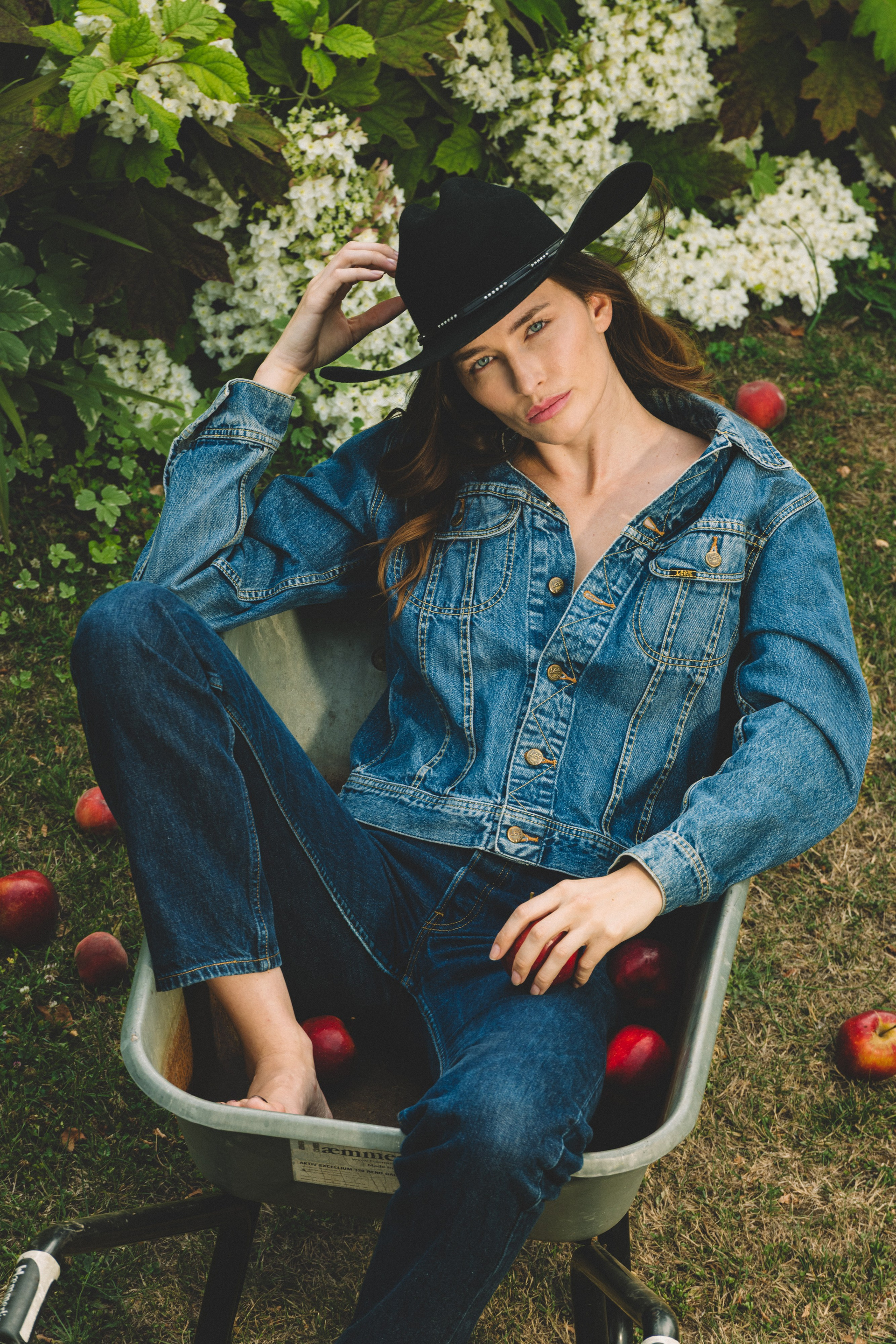
The first part of the session took place in a private garden in Apremont, a small village just a few minutes from Chantilly. Inspired by the bold visual language of contemporary fashion campaigns, I wanted to create a series that felt playful, cinematic, and slightly unexpected.
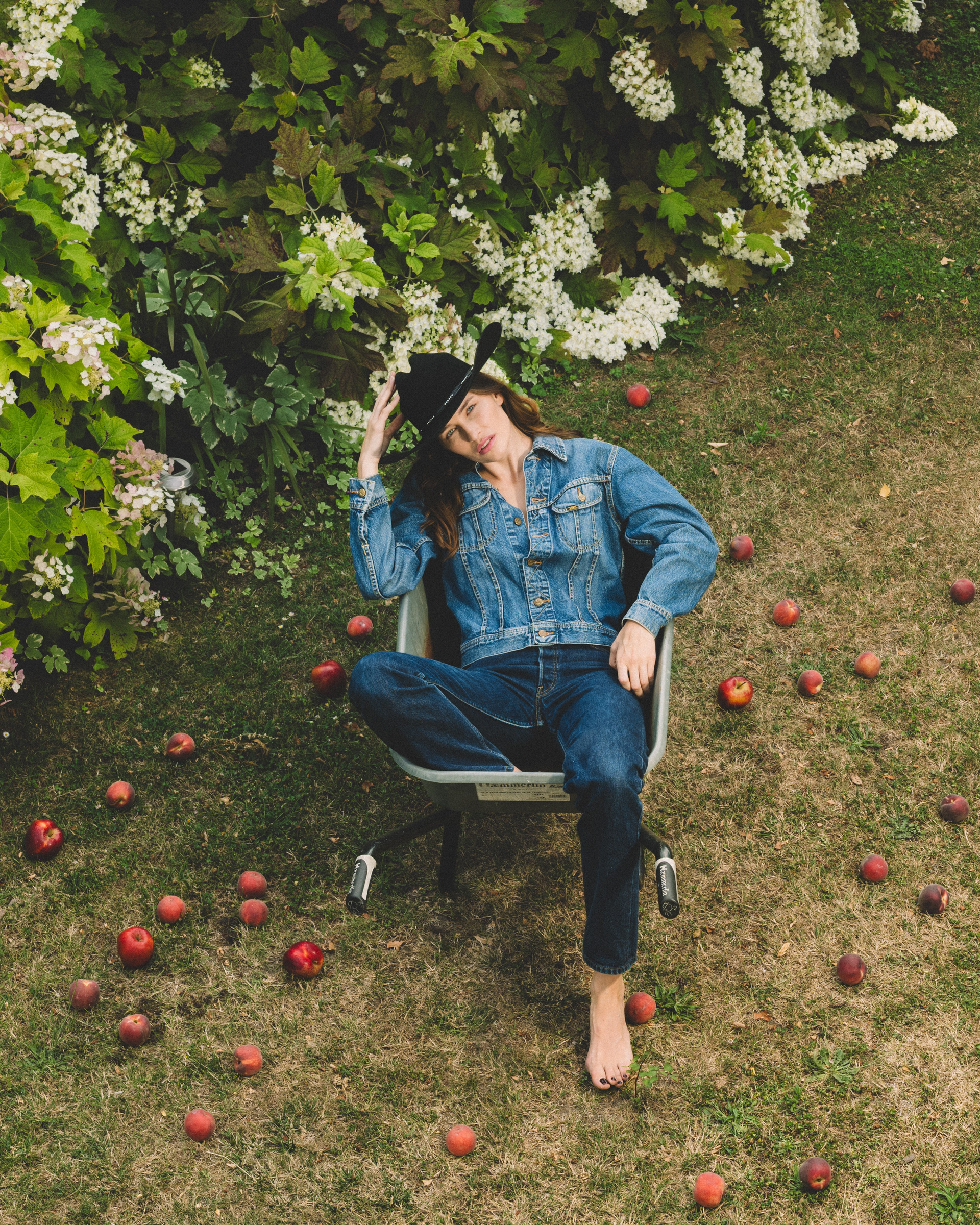
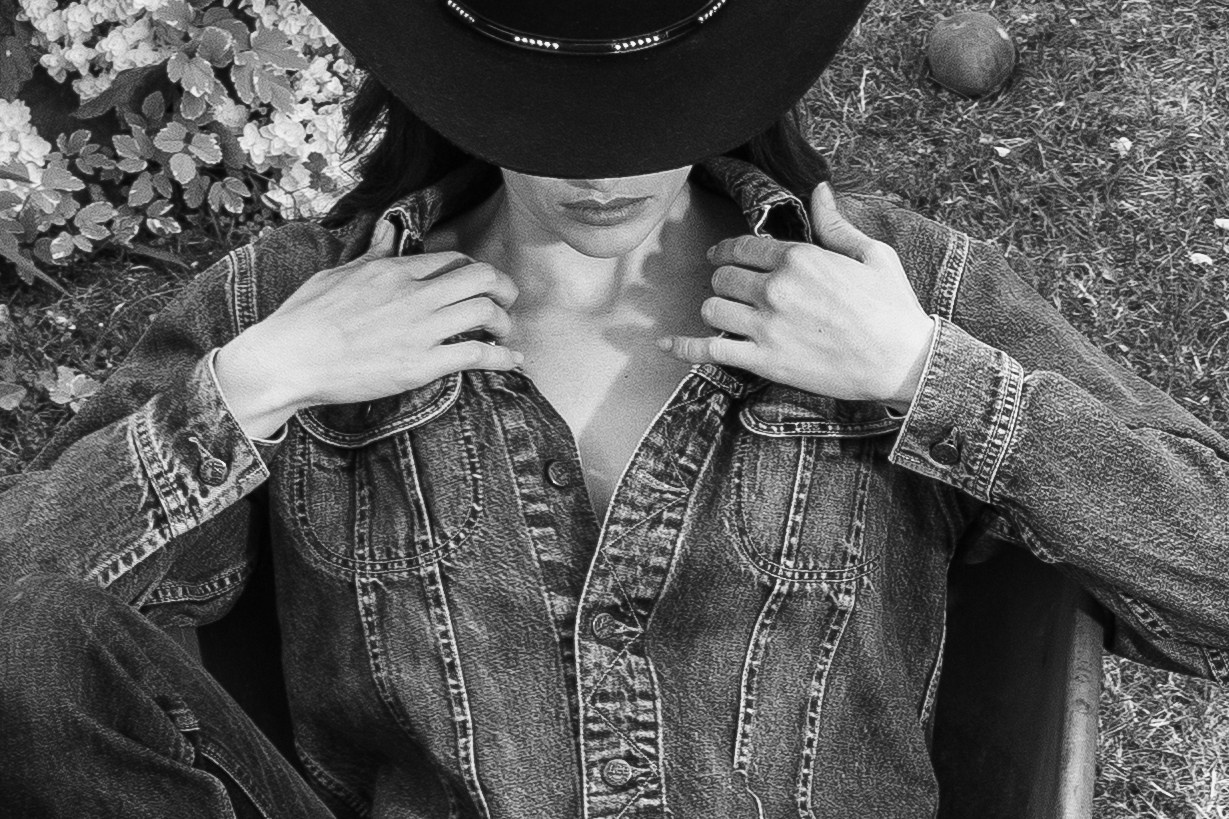
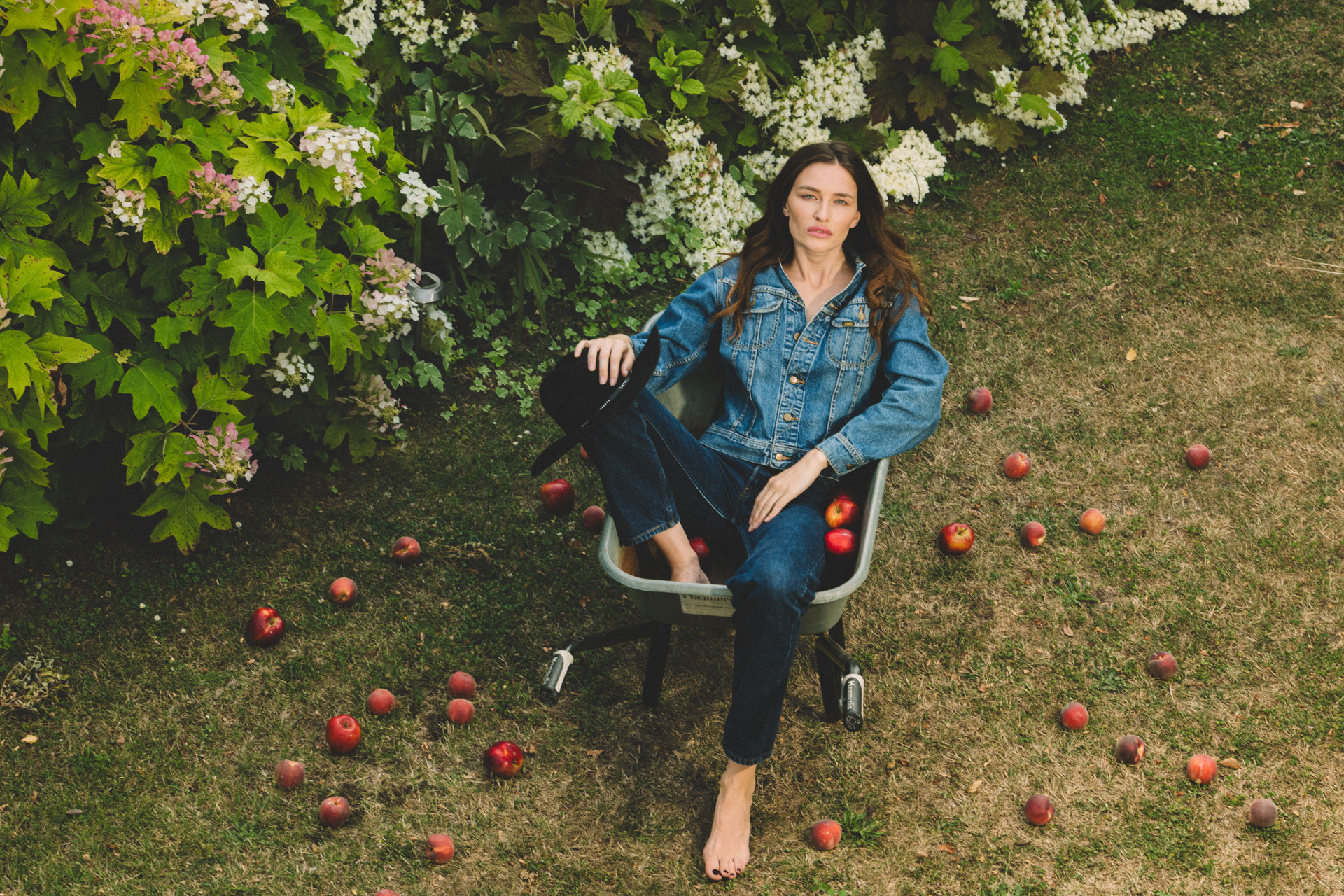
Originally, I imagined Marie-Jeanne wearing a dress. But as often happens during a creative shoot, the strongest ideas emerged from listening rather than insisting. Marie-Jeanne arrived with a clear vision of herself: denim, a cowboy hat, and nothing else. Her confidence immediately shifted the direction of the session, and we decided to follow that energy instead of the original plan.
Using apples and peaches scattered throughout the garden, we built a scene that felt somewhere between a summer harvest, a forgotten orchard, and a fashion editorial. The fruit became more than a prop. It introduced a sense of abundance, temptation, and freedom, while the denim silhouette brought a contemporary cowgirl spirit to the images.
With only the model, my assistant, and myself on location, we spent 1 hour transforming a quiet corner of a garden into the opening chapter of the story.
From Orchard to Firewood
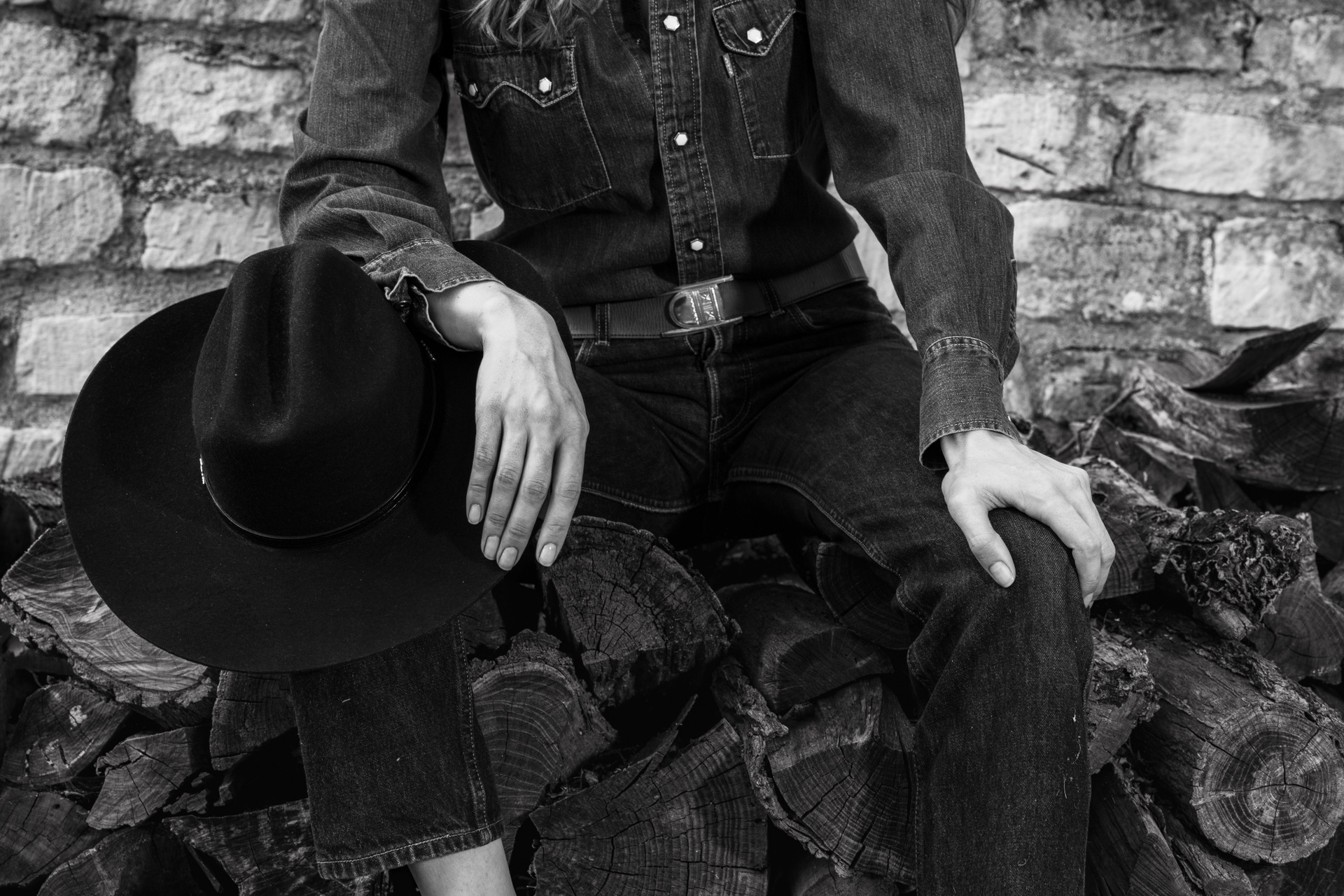
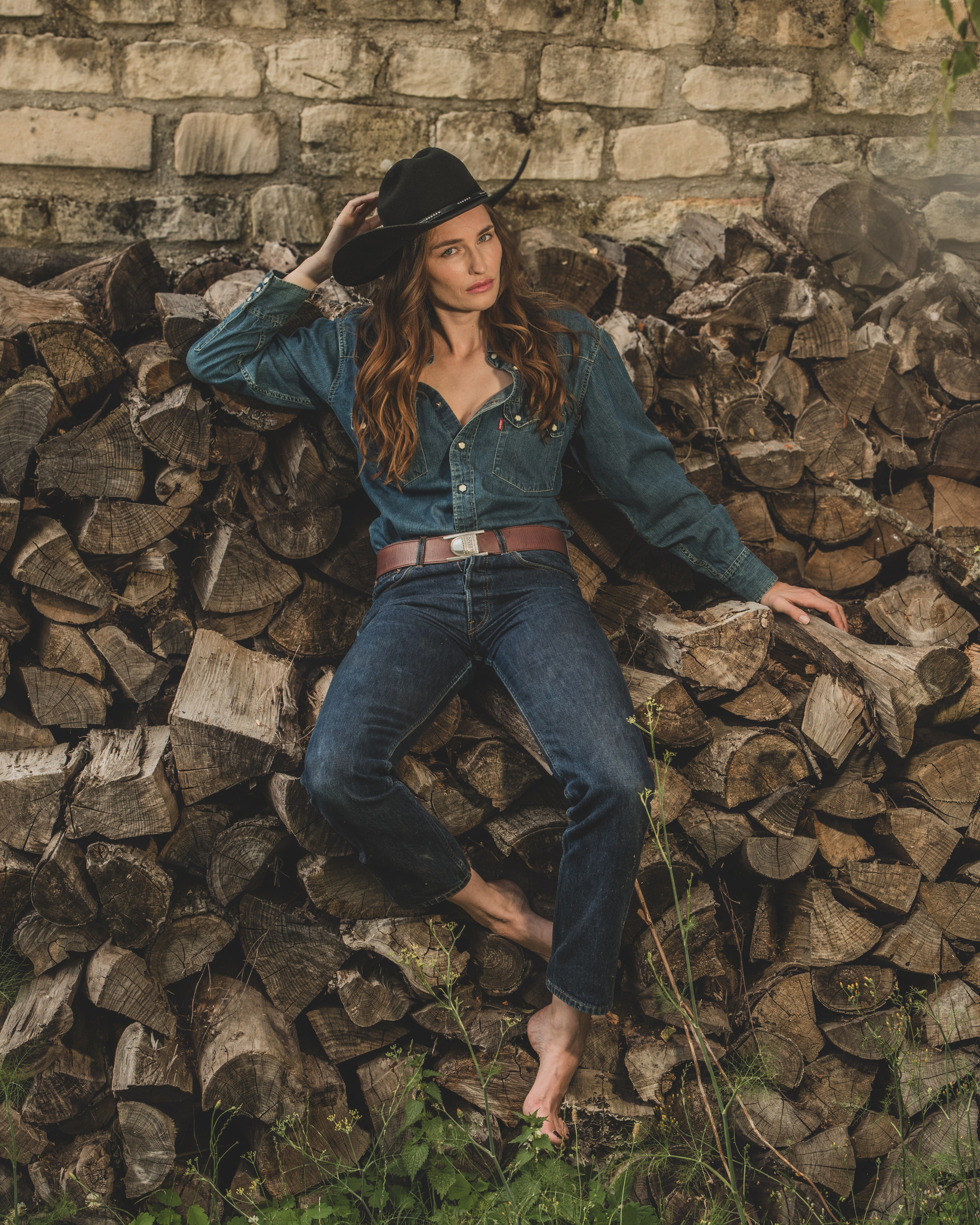
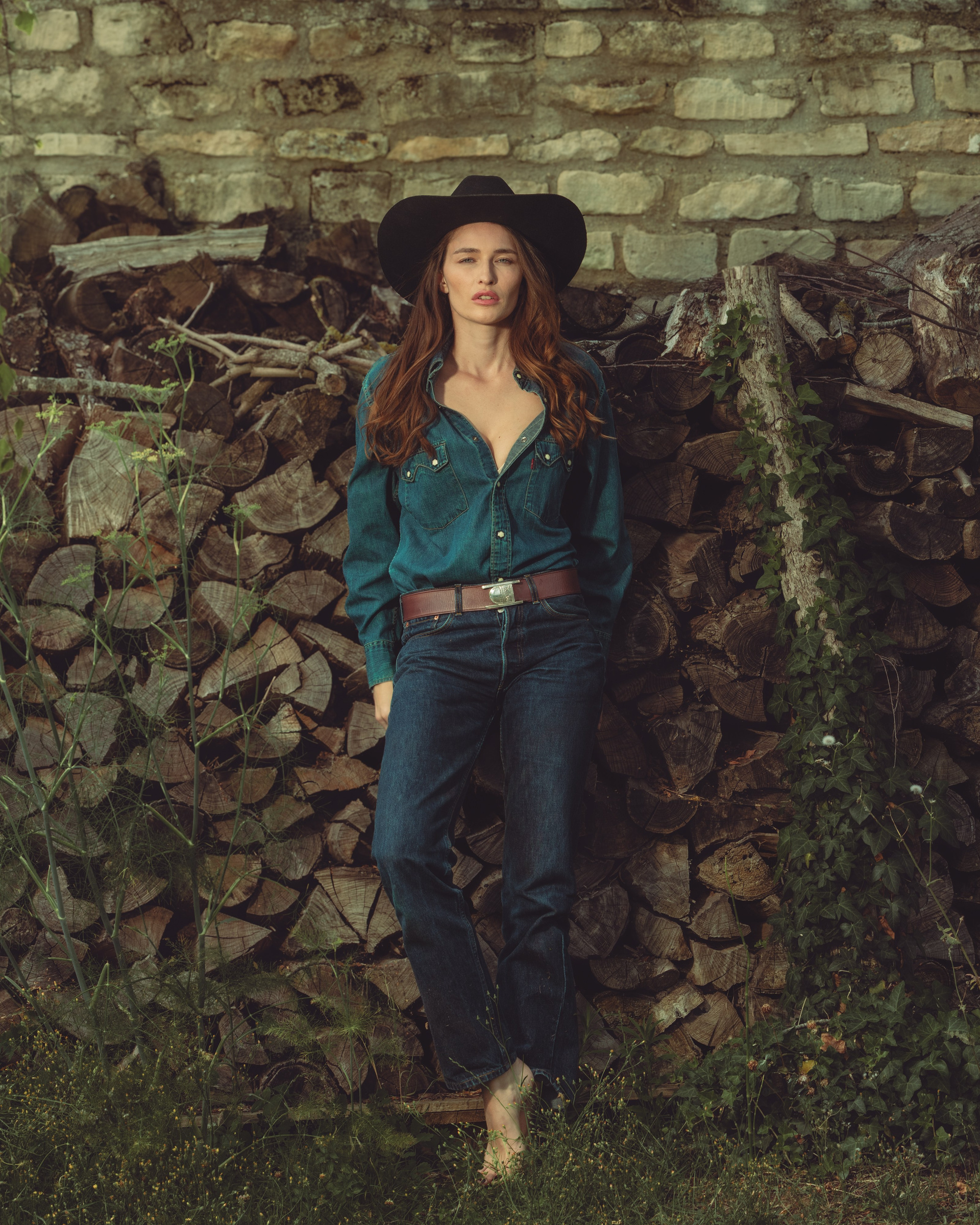
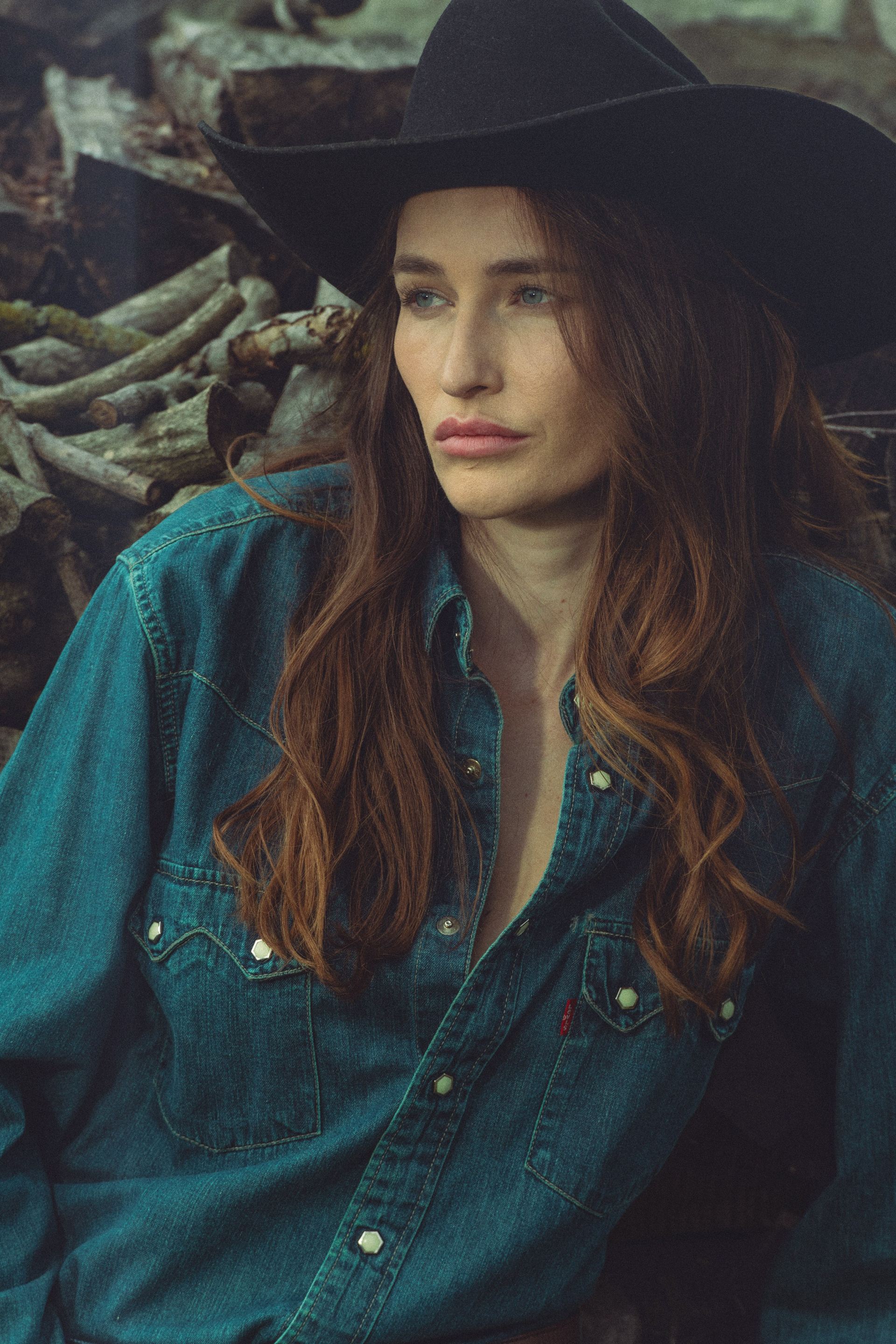
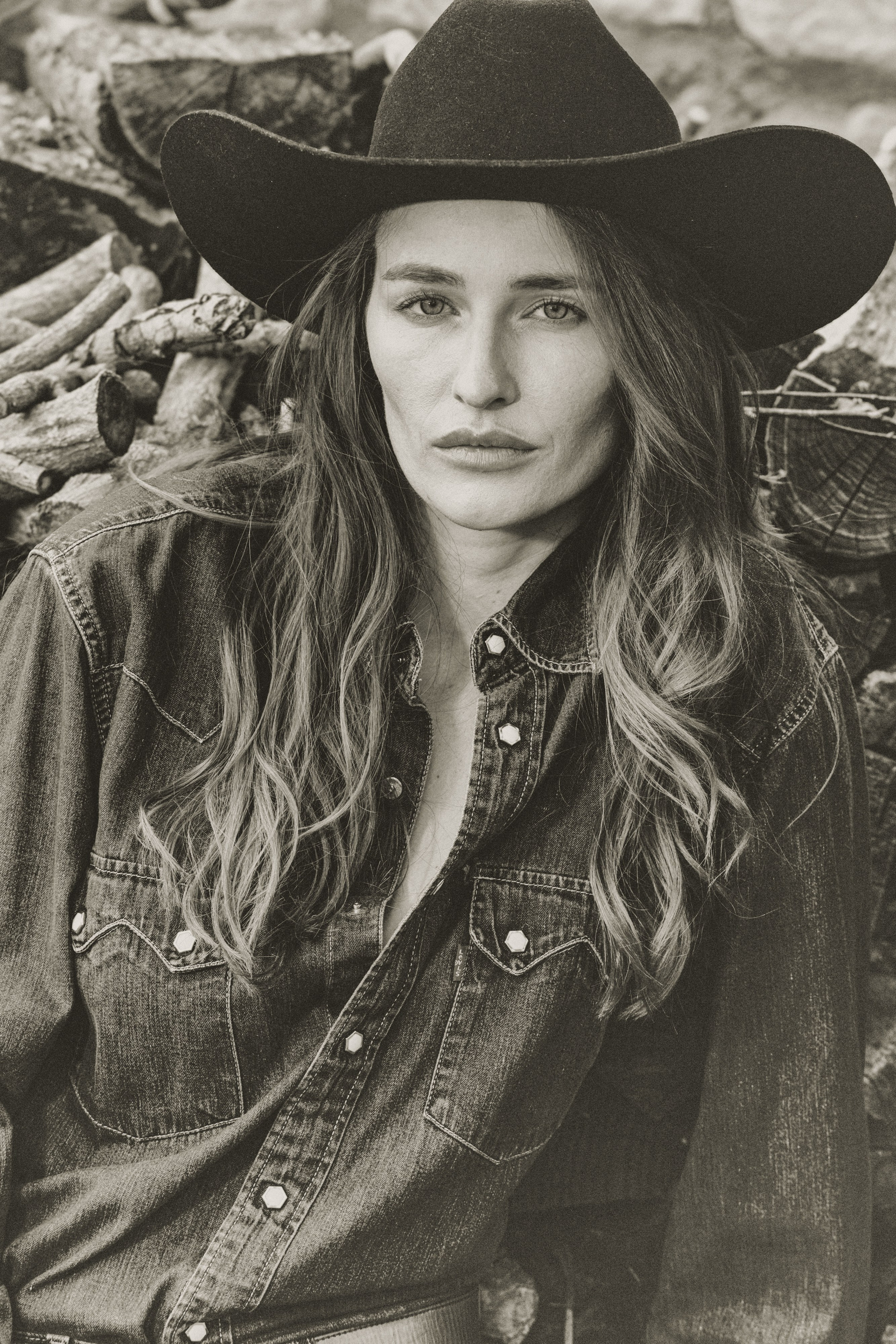
Just a few steps away from the garden stood a large stack of firewood against an old stone wall. It was not part of the original plan, but its texture immediately caught my attention. The rough wood, weathered stone, and Marie-Jeanne’s denim silhouette created a completely different atmosphere from the orchard.
What began with fruit, lightness, and a playful sense of abundance gradually shifted into something more grounded. The setting felt raw and rural, almost like a scene from an old Western reimagined in the French countryside. Marie-Jeanne’s confidence and strong presence naturally belonged in this environment. The denim, cowboy hat, and bare feet made the images feel effortless rather than styled.
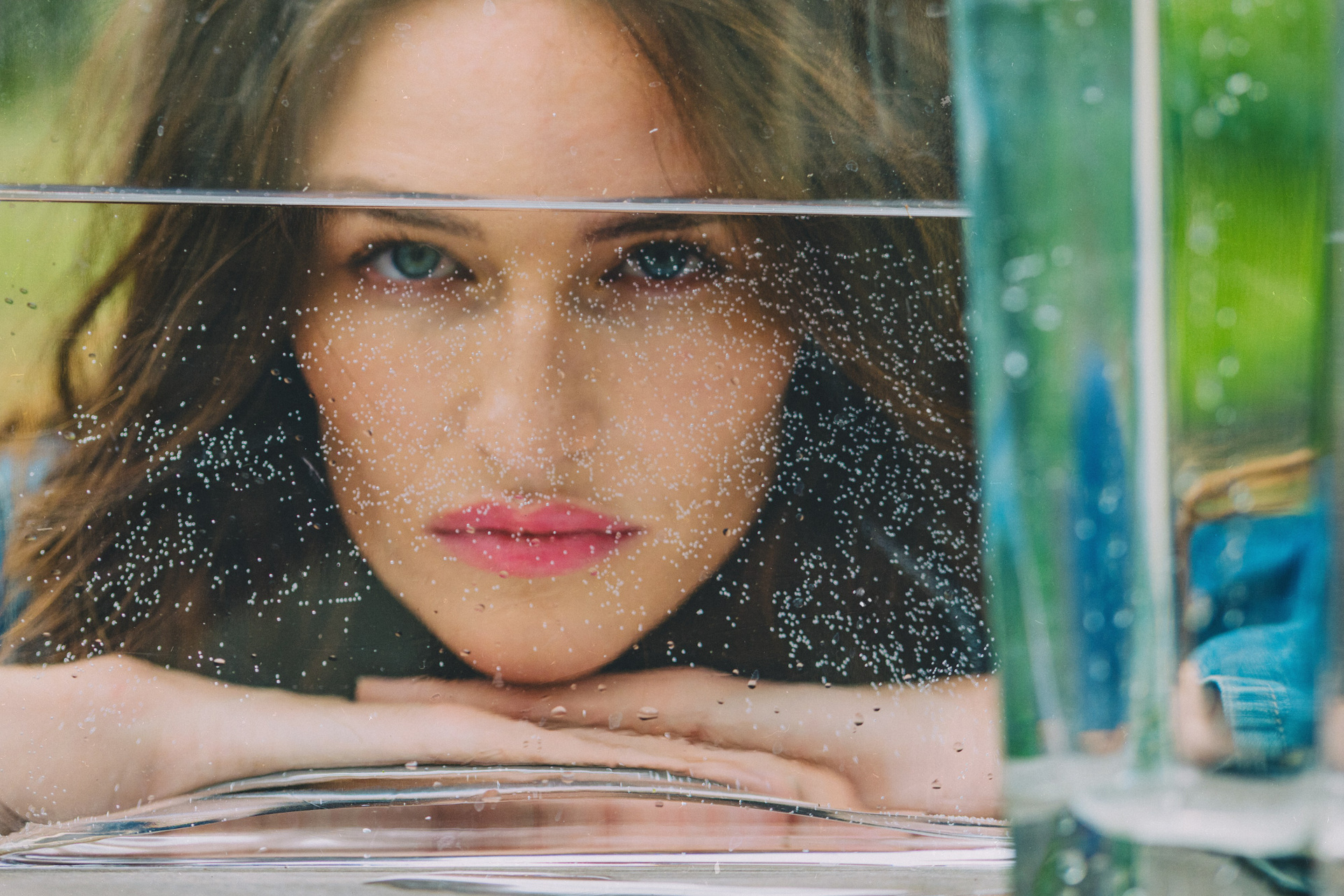
As the shoot progressed, we started experimenting. A simple piece of glass, reflections, and transparent surfaces became tools for creating a different visual language. Instead of documenting the scene directly, we explored layers, distortions, and fragments of the portrait. These small experiments introduced a more introspective dimension to the series and opened the door to images that felt less descriptive and more emotional.
At the Polo Grounds
A few minutes later, we moved from the garden to the grounds of Polo Club de Chantilly. The atmosphere changed immediately. The orchards and stone walls gave way to open fields, polo equipment, and the familiar rhythm of a place shaped by horses and sport.
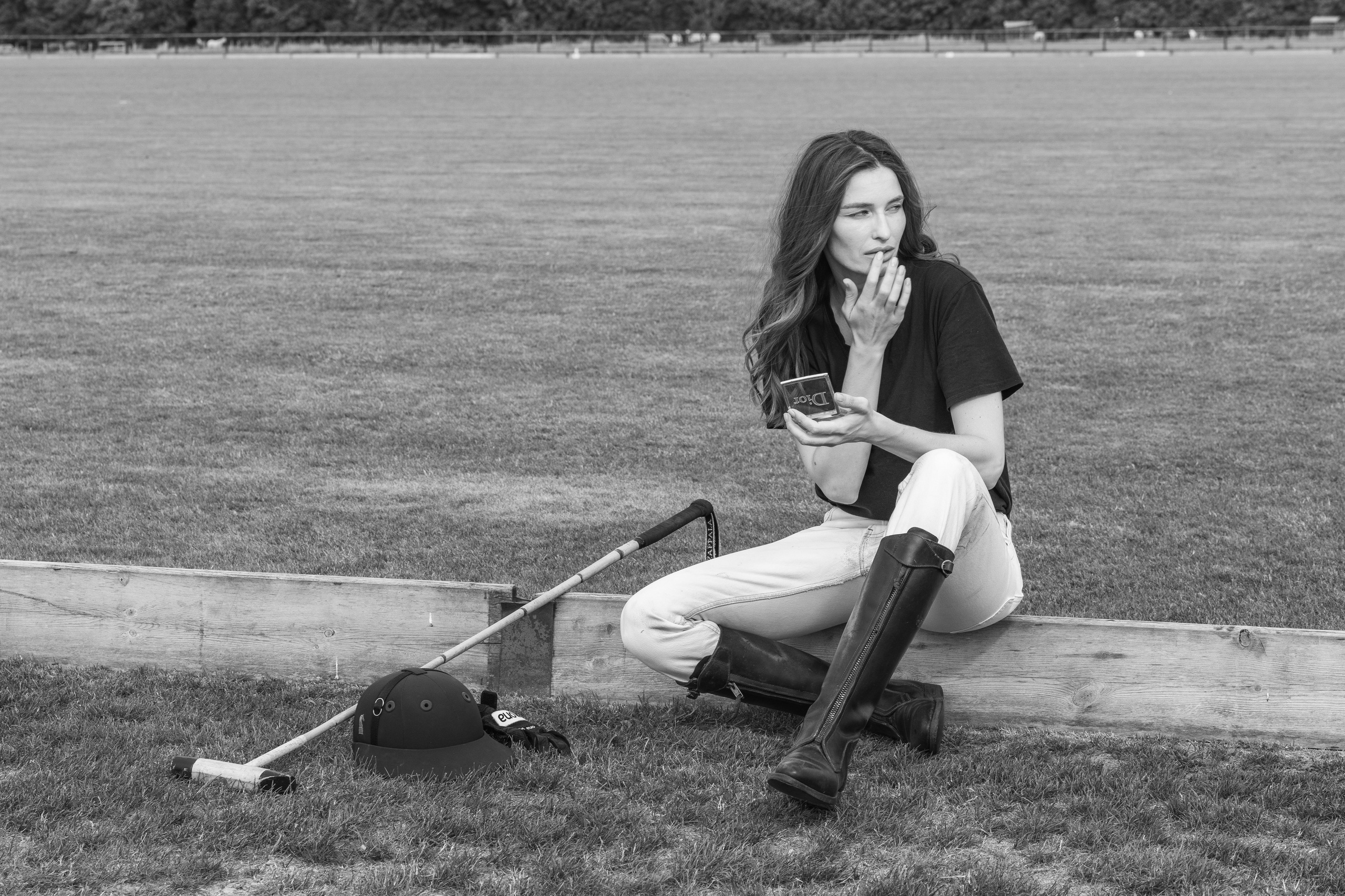
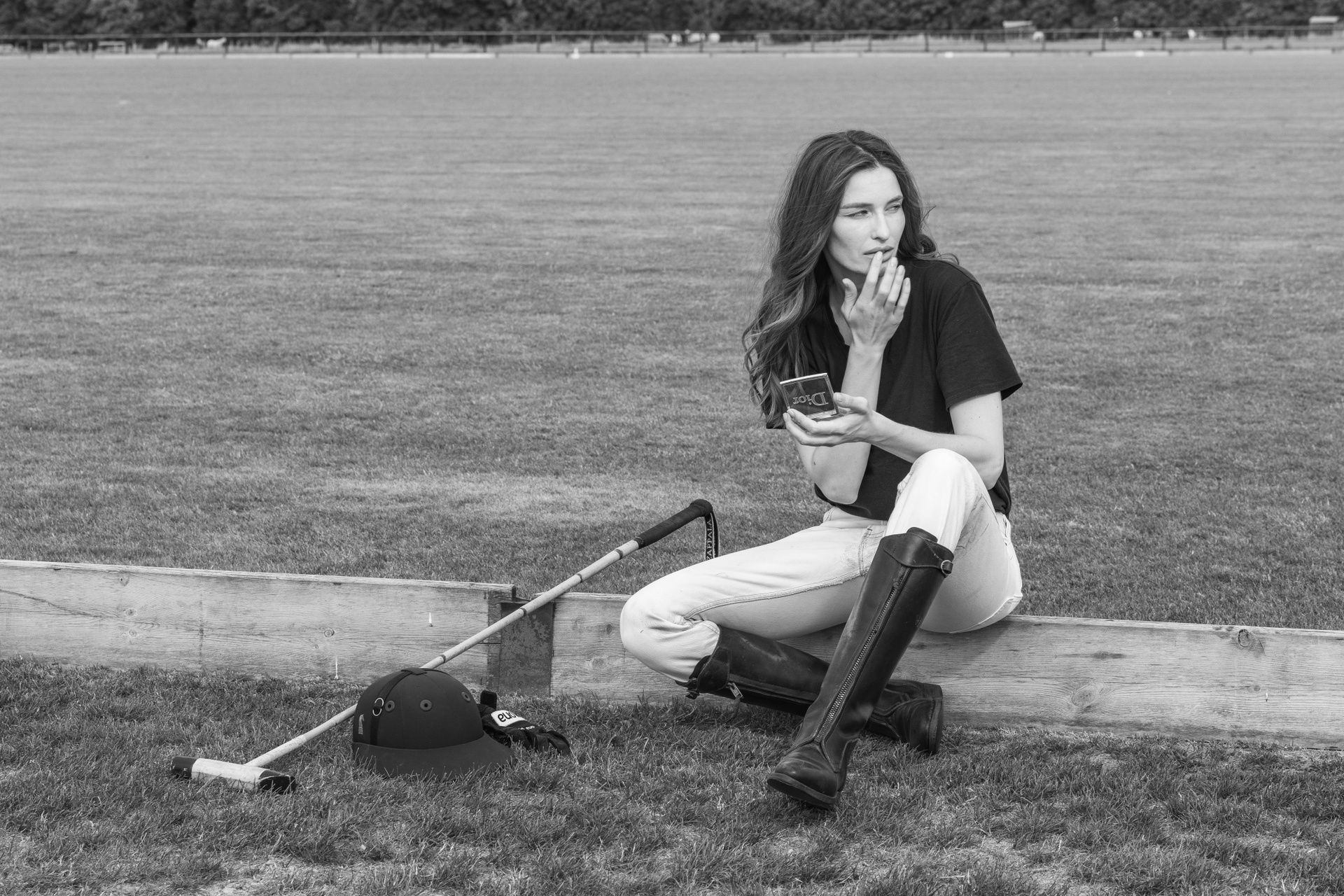
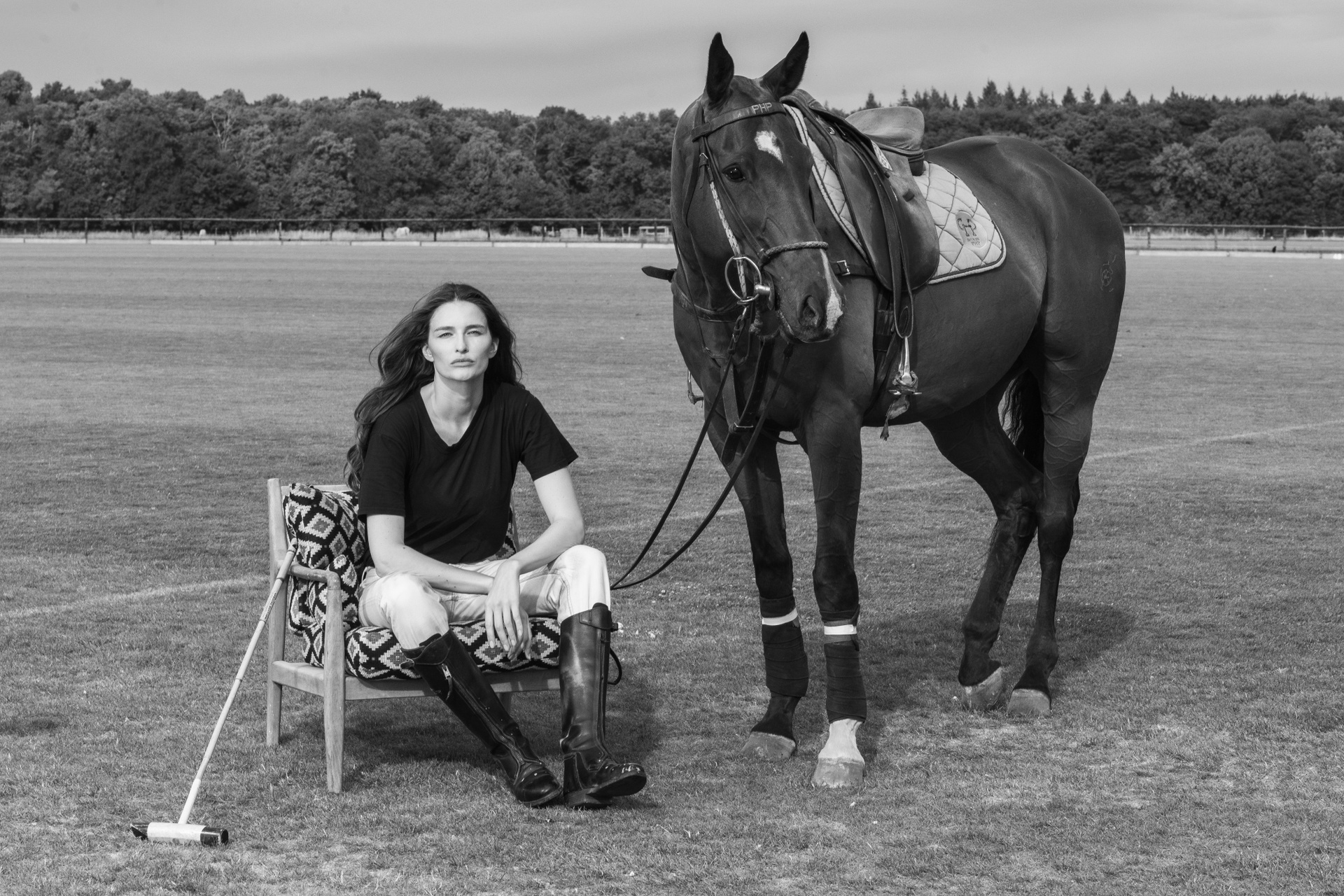
One image had been in my mind for a long time. Inspired by an archival polo photograph, I wanted to recreate a simple moment: a player sitting at the edge of the field, touching up her makeup between chukkas. What interested me was not the glamour, but the contrast. Strength and elegance. Competition and vulnerability. A rider preparing herself before returning to the game.
Marie-Jeanne brought her own interpretation to the scene. She never tried to perform a character. Instead, she remained entirely herself throughout the day. That honesty became one of the strongest elements of the series.
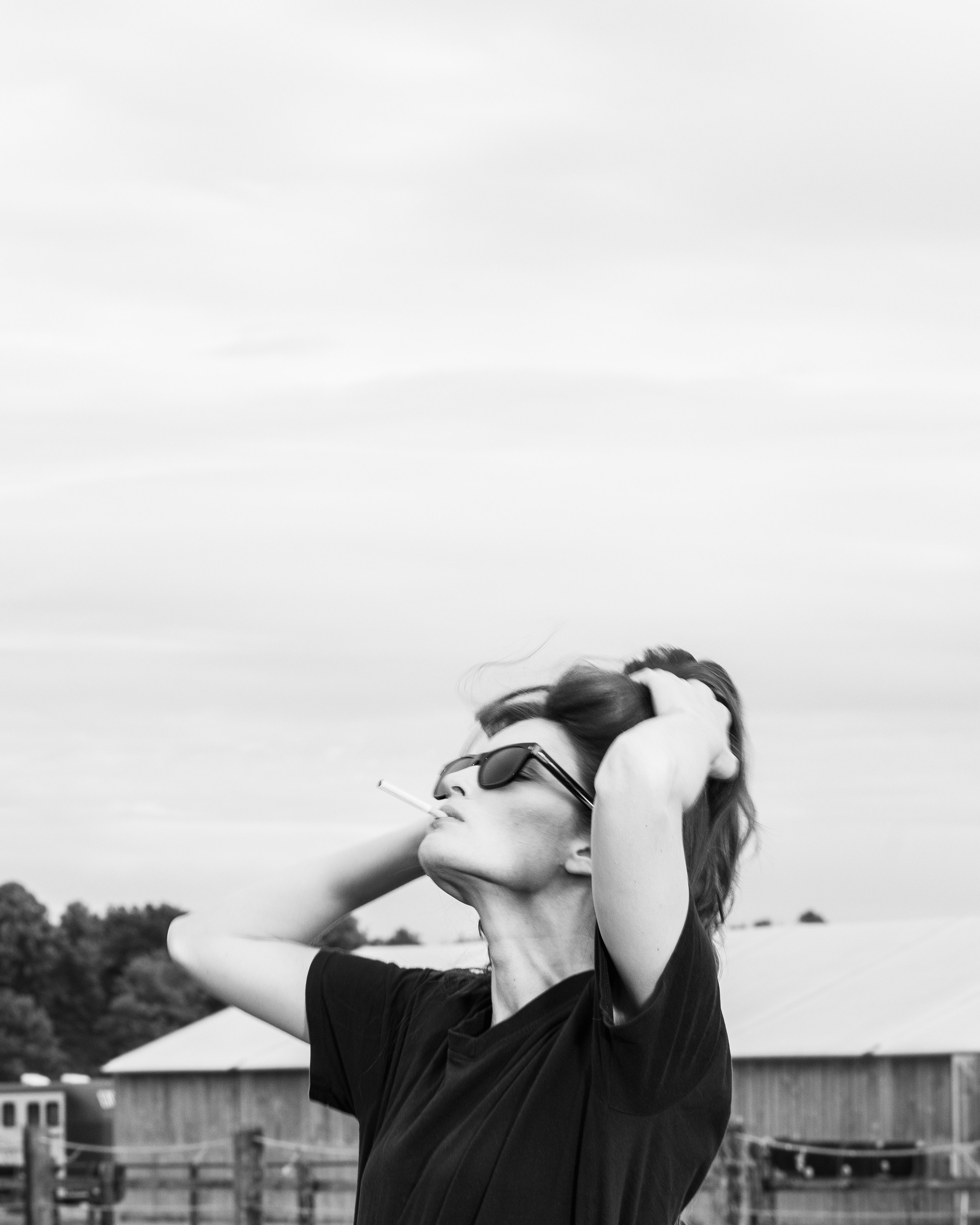
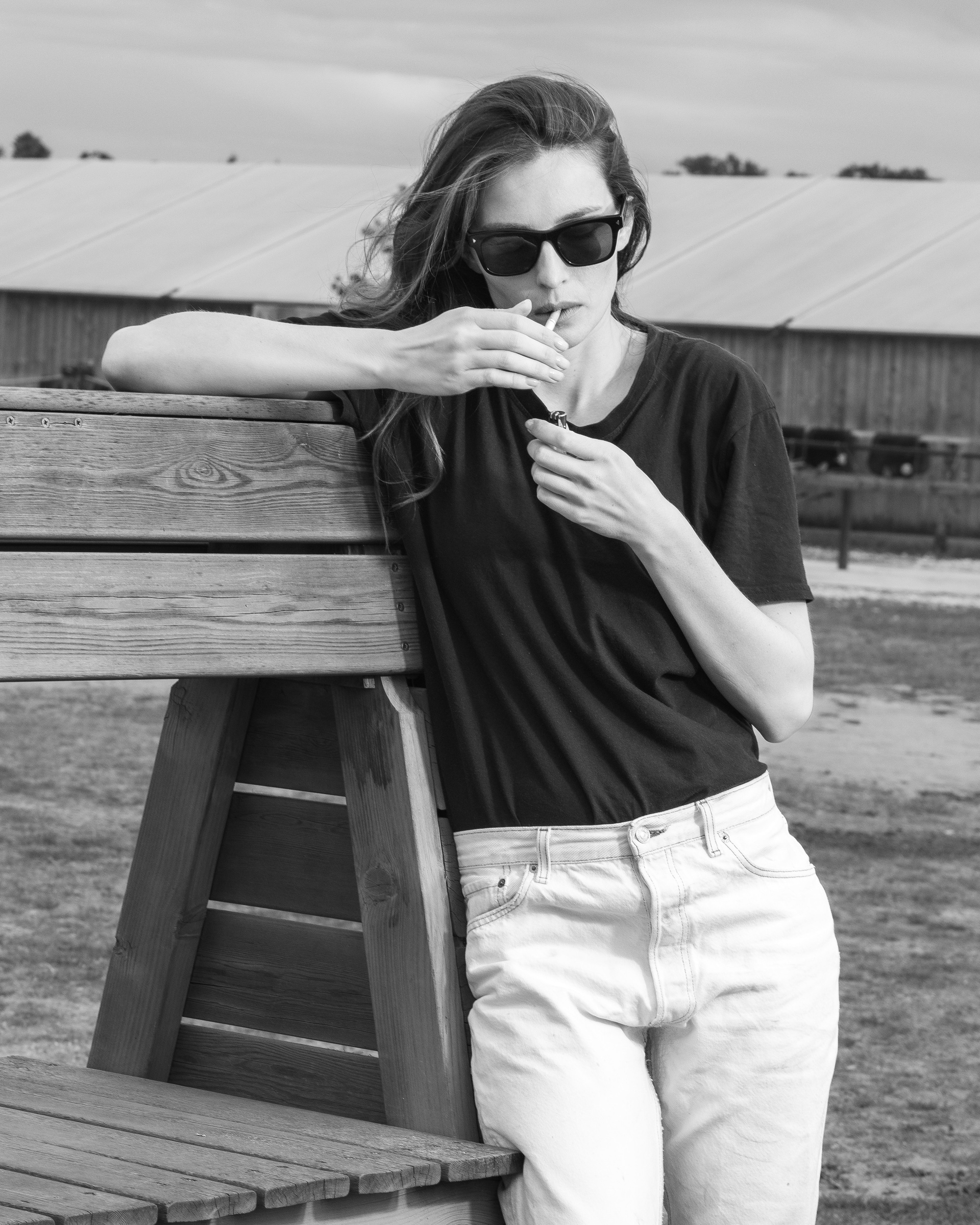
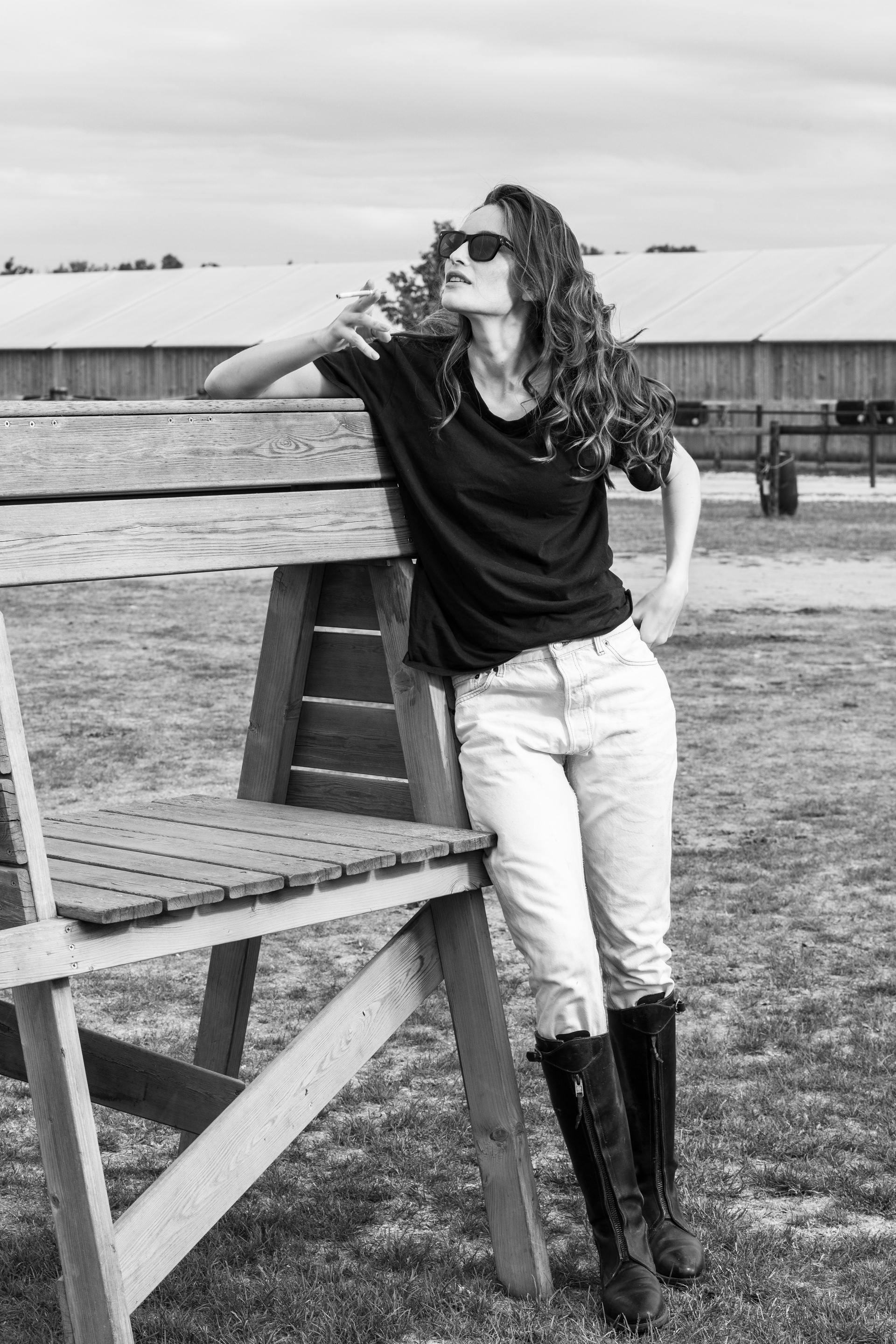
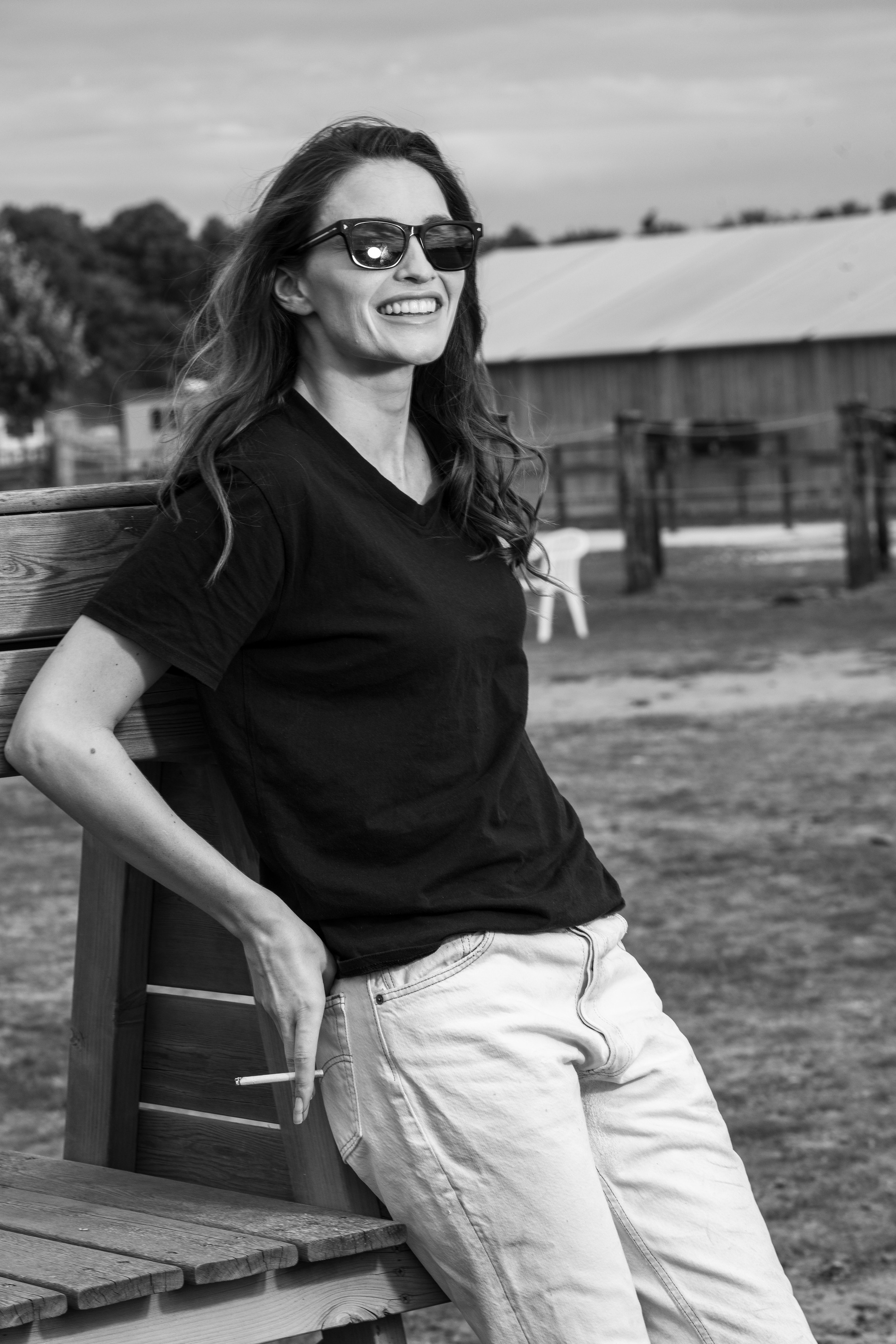
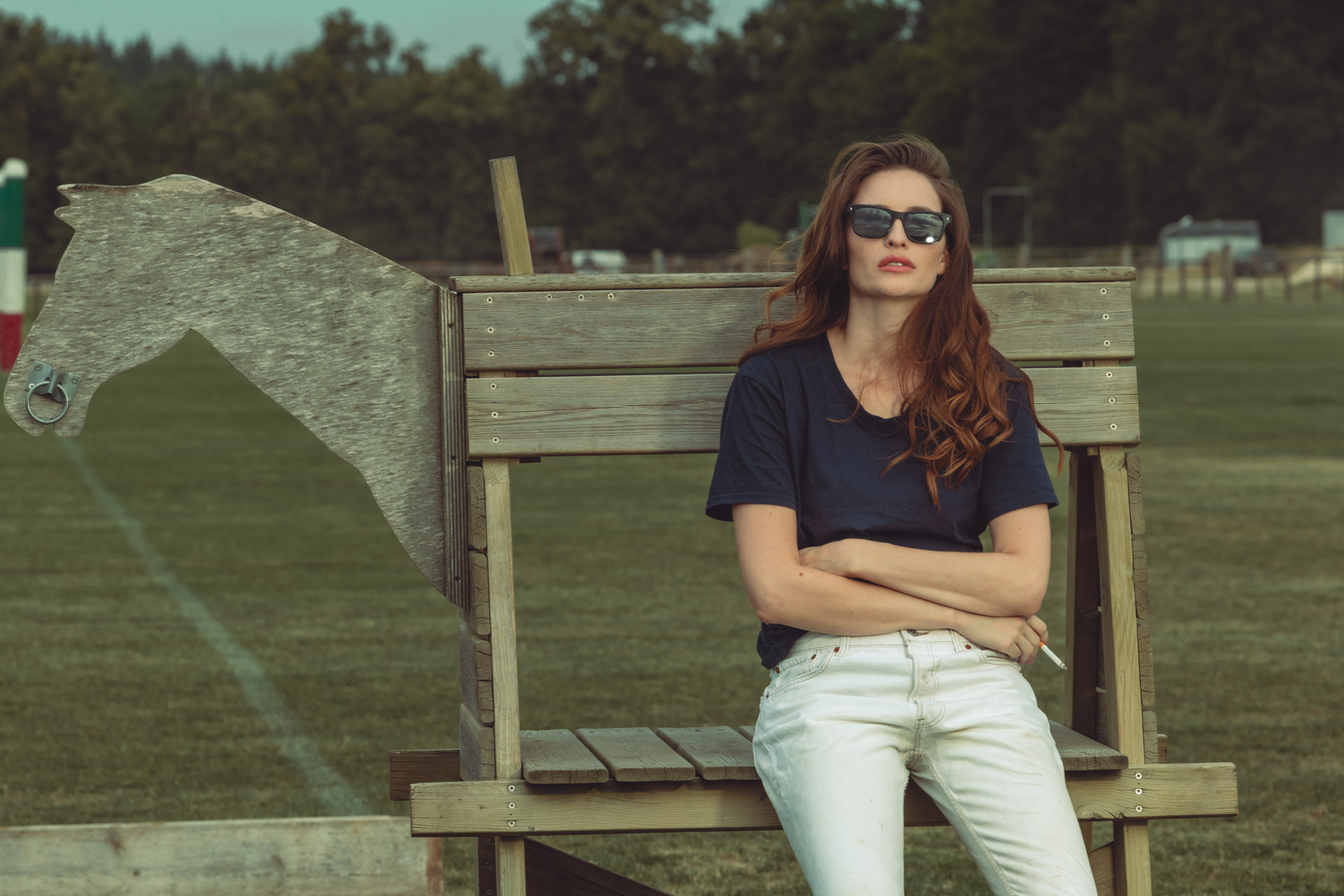
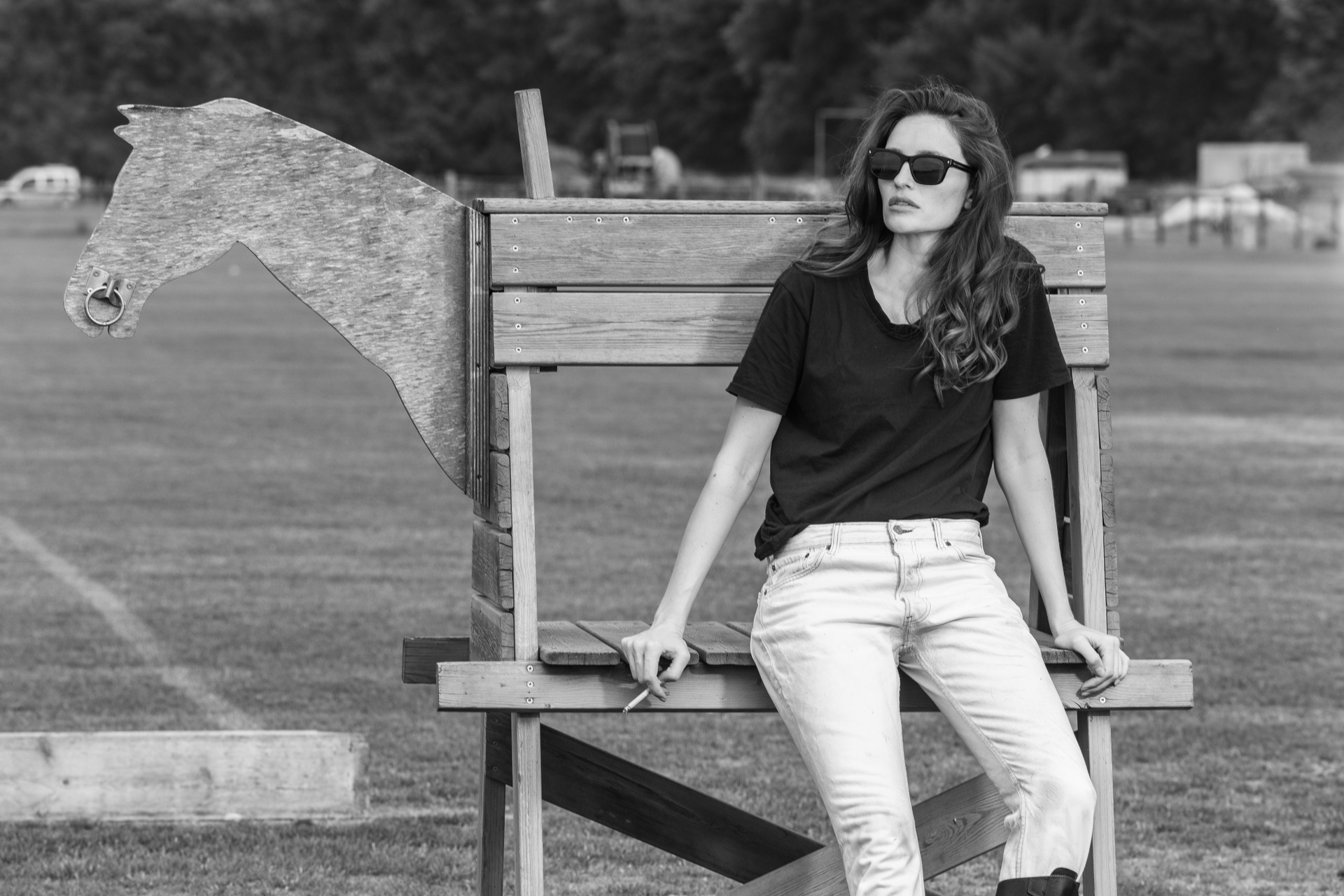
As the evening progressed, the photographs became less about polo and more about personality. The sunglasses, the cigarette, the relaxed posture against the umpire’s chair, and the vast empty field behind her created a portrait of someone independent, confident, and slightly rebellious. Because this was a personal project rather than a commercial commission, there was no reason to hide those details. They belong to Marie-Jeanne’s story and to the authenticity of the session.
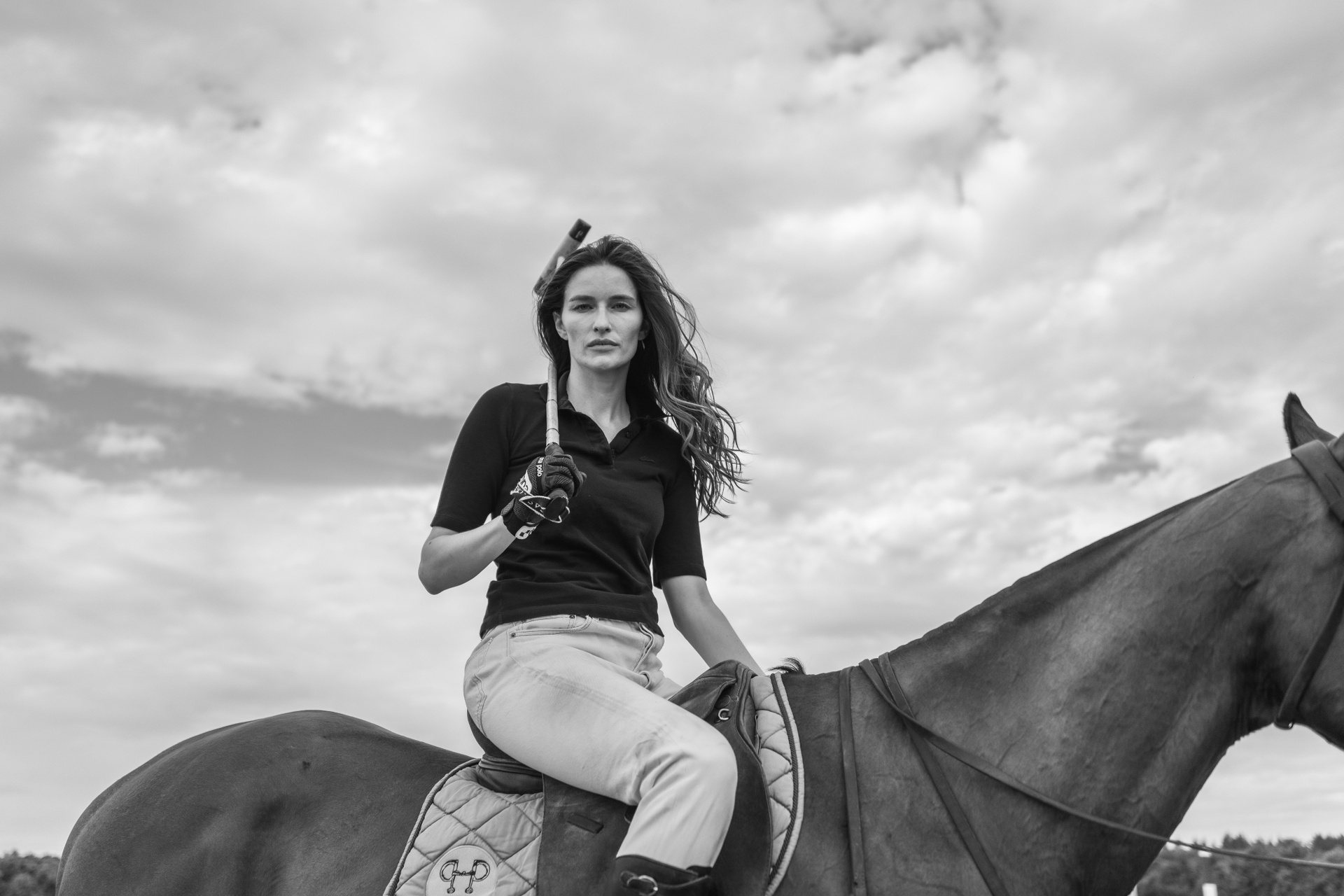
What interested me most was the balance between worlds. The discipline of polo remained present through the field, the helmet, and the mallet, while Marie-Jeanne’s character constantly pushed the images beyond the boundaries of a traditional equestrian portrait.
The Horse Arrives
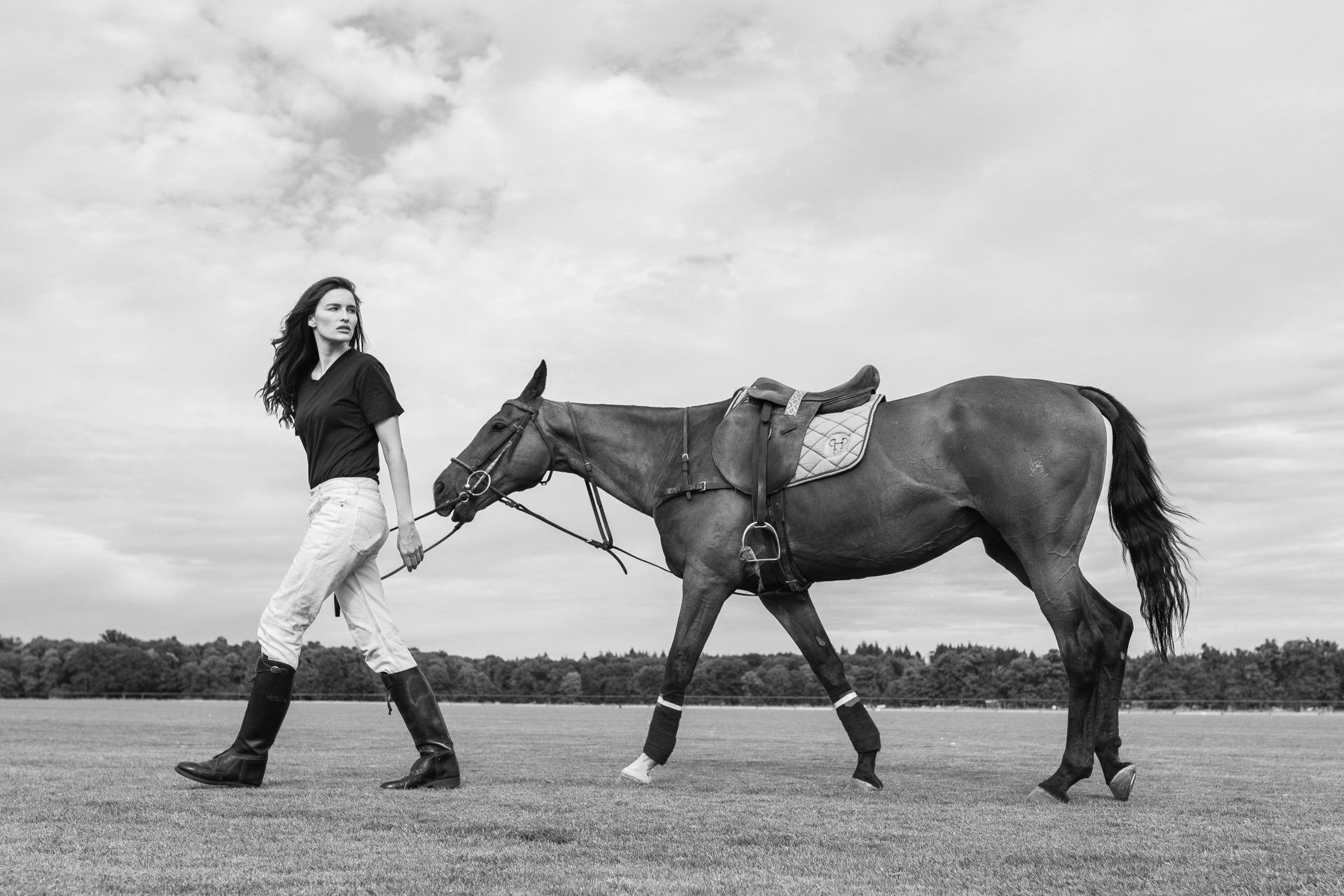
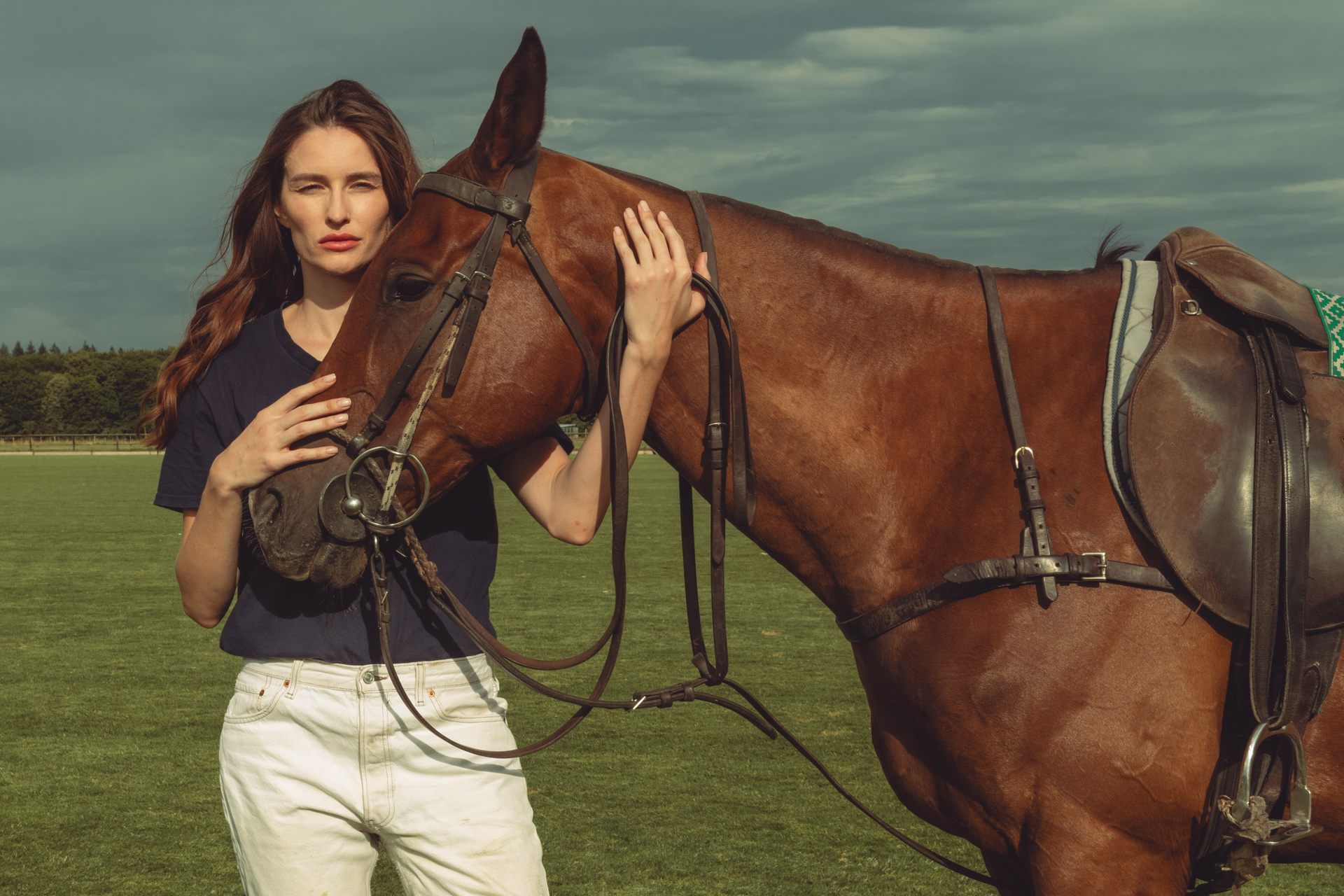
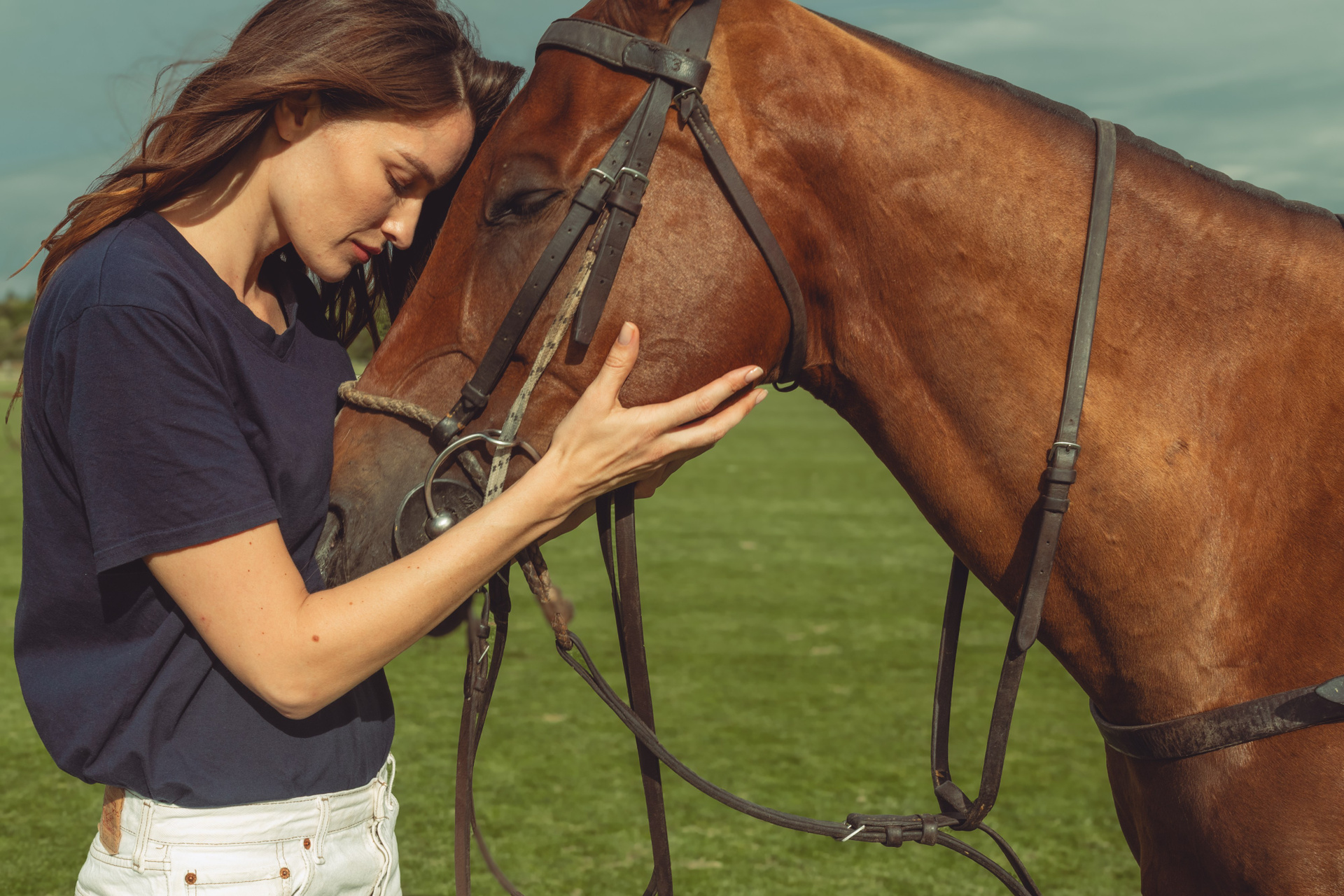
As the evening light softened over the polo fields, the final character of the story arrived. The horse was kindly provided by Equaris EarlPHP, allowing us to bring together the different threads that had been running through the session since the beginning.
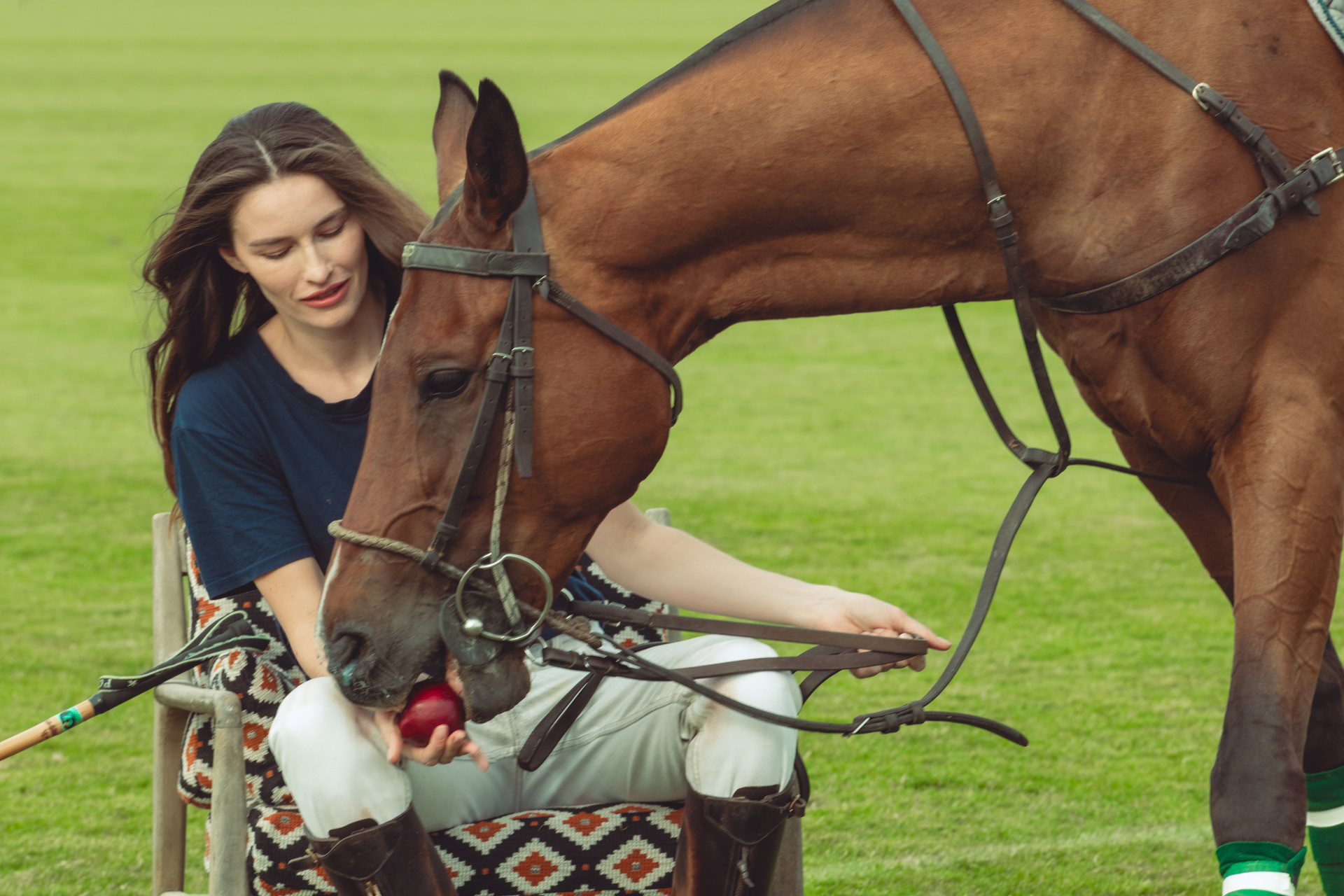
To create a visual connection with the orchard photographs, I brought back one of the simplest elements from the first chapter: an apple. What had started as a symbol in the garden suddenly became something real. The horse’s curiosity transformed the prop into an interaction, creating moments that could never have been staged in exactly the same way.
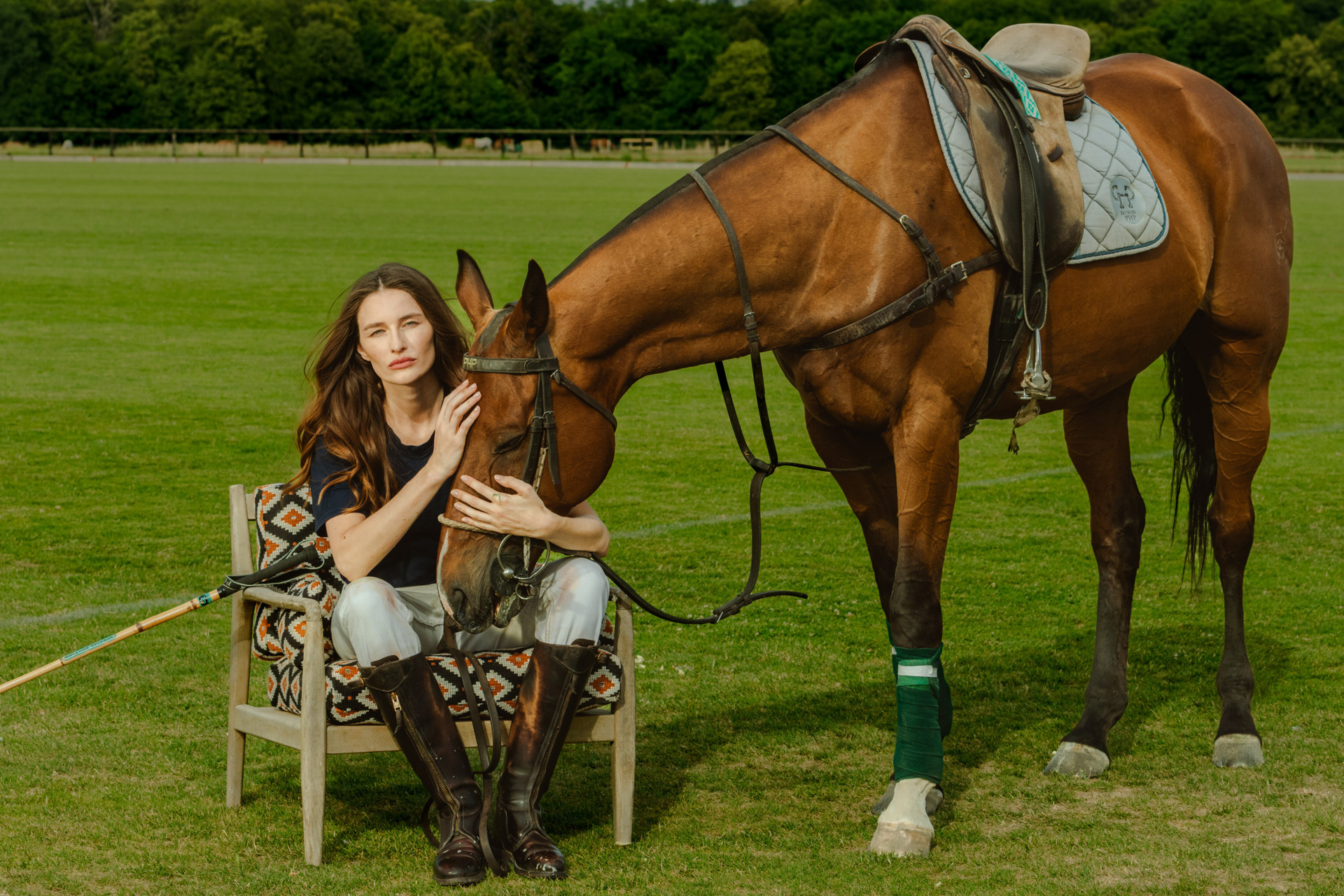
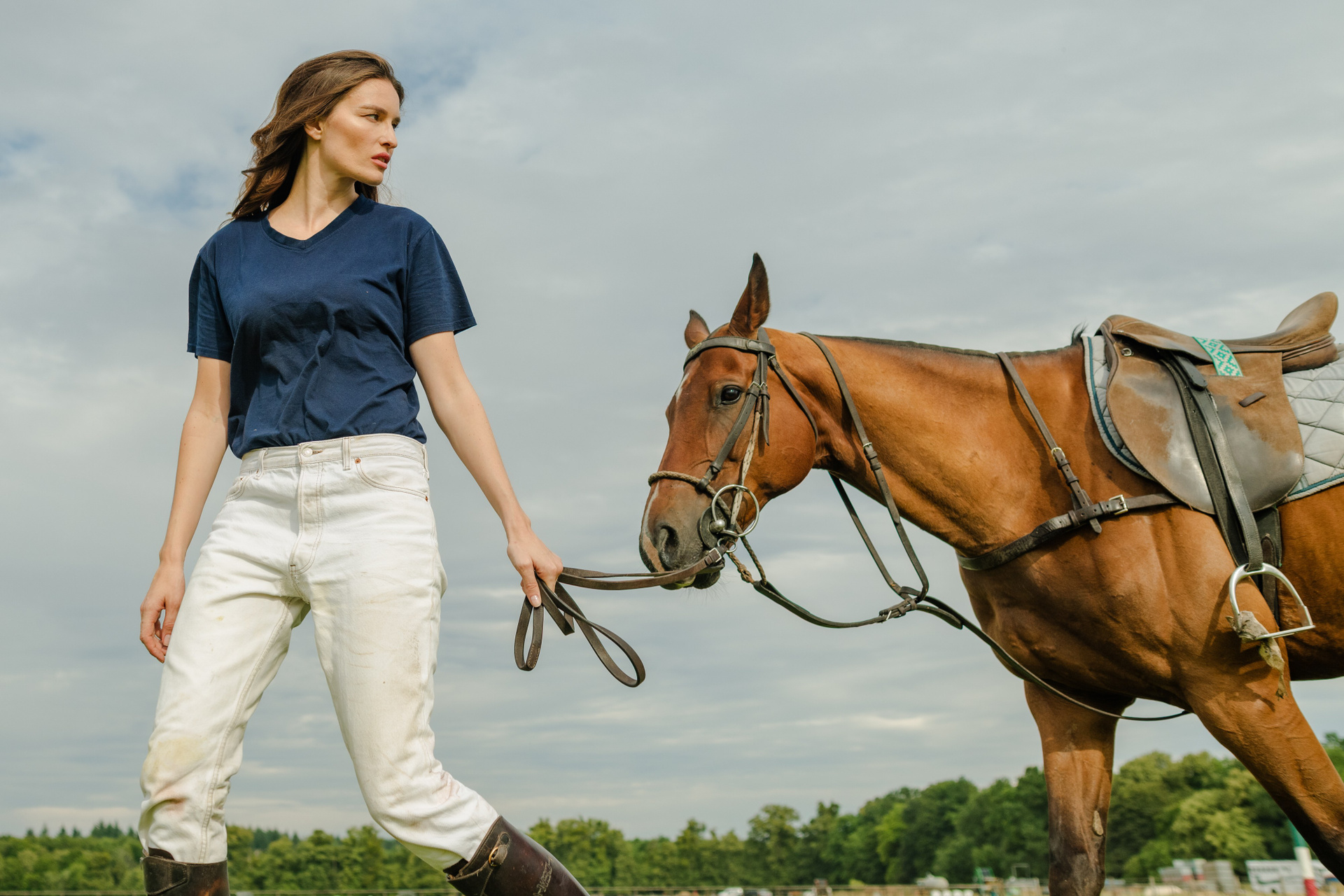
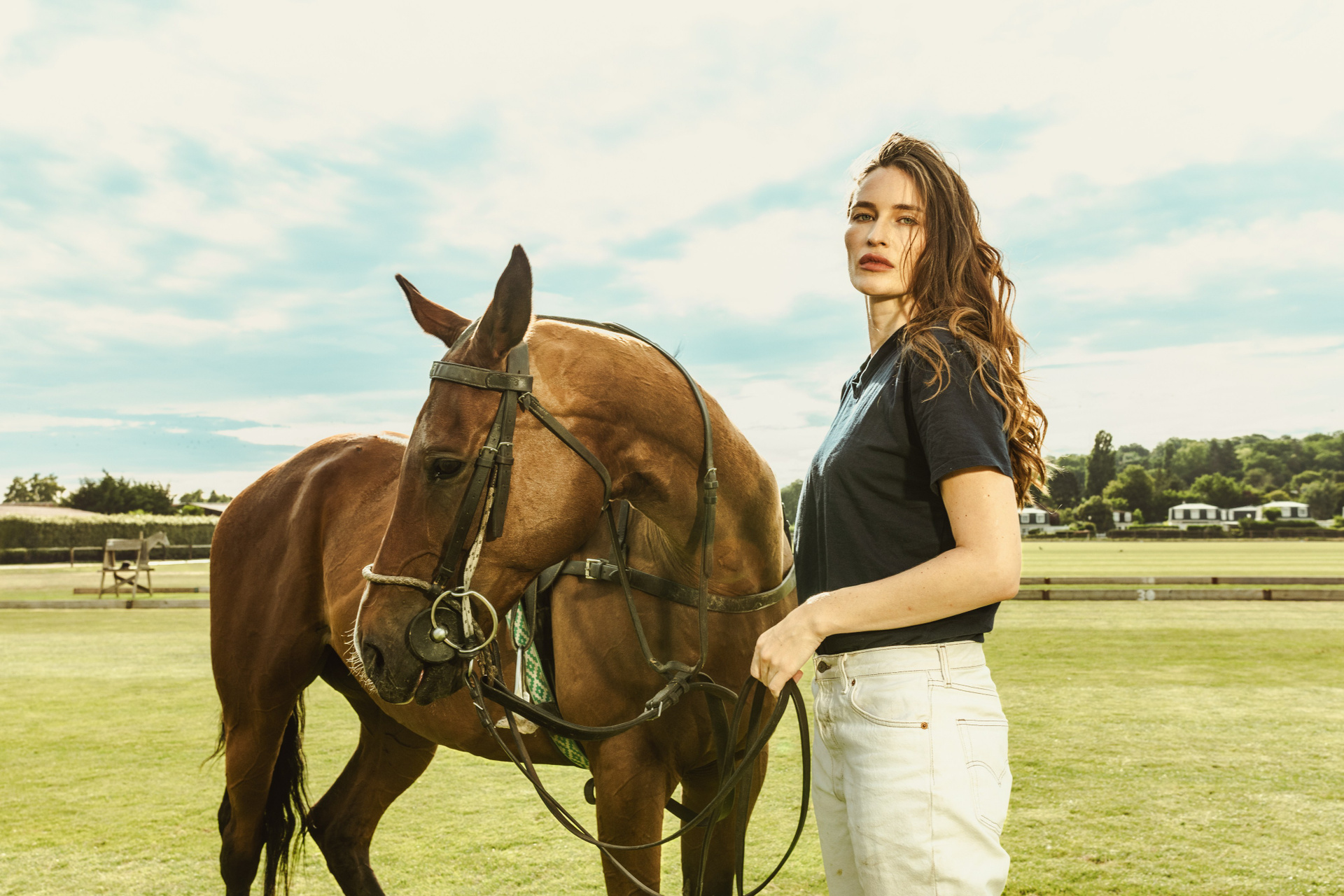
Until then, the photographs had been largely about Marie-Jeanne. Once the horse entered the frame, the focus shifted. The images became less about portraiture and more about relationship. Touch, trust, attention, and quiet presence started to matter more than posing.
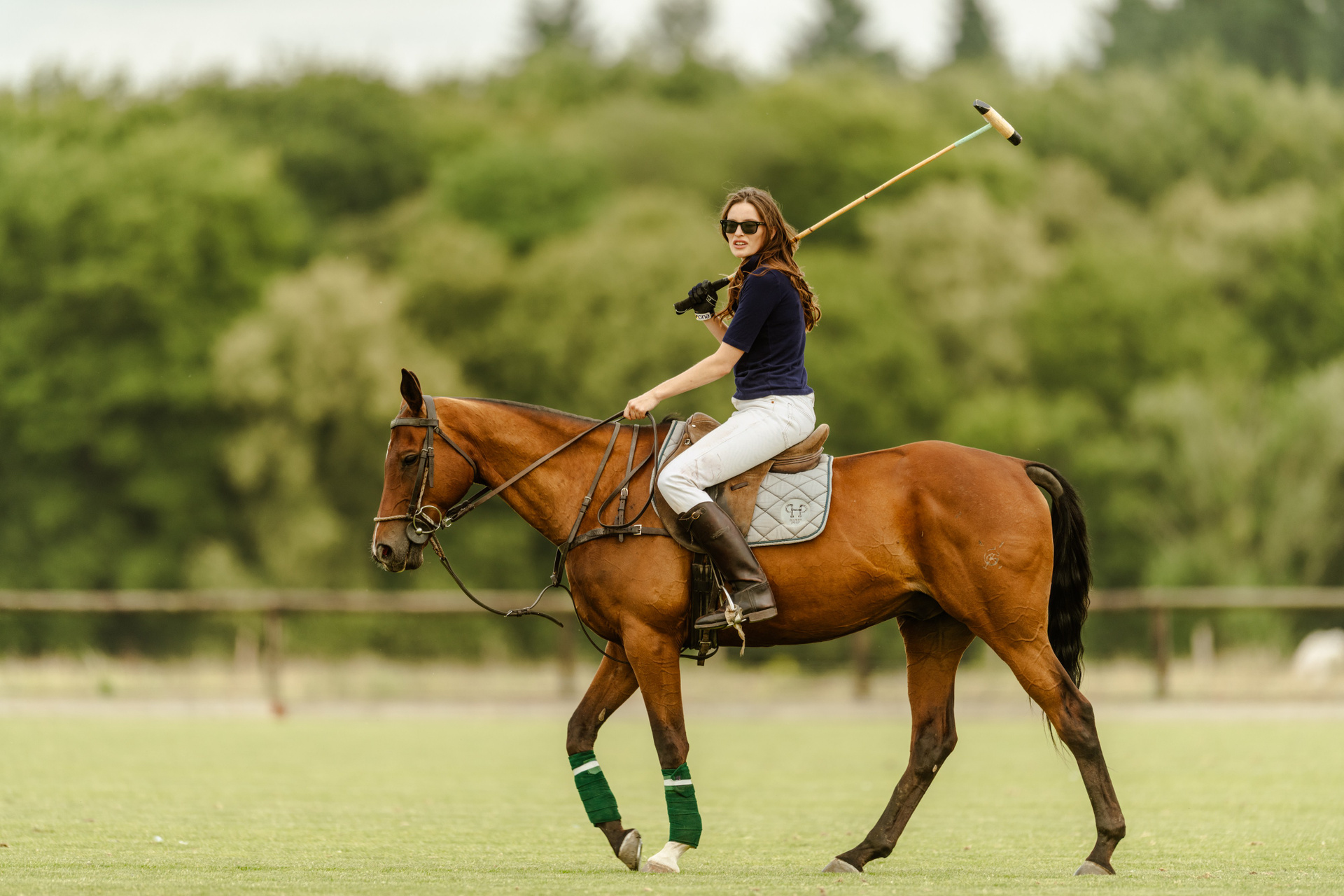
We spent some time simply walking across the polo grounds, allowing the movement to unfold naturally. Rather than directing every gesture, I wanted to observe the subtle dialogue that develops between a person and a horse. A glance, a hand resting on a neck, a shared pause. These small moments often reveal more than dramatic action.
What interested me was not the idea of a rider and her horse, but something more universal: the way horses invite us into a different rhythm of attention. They respond to presence rather than performance. In those moments, the photographs became less about style and more about connection.
Back in the Saddle
As the session progressed, Marie-Jeanne returned to what feels most natural to her: the polo field.
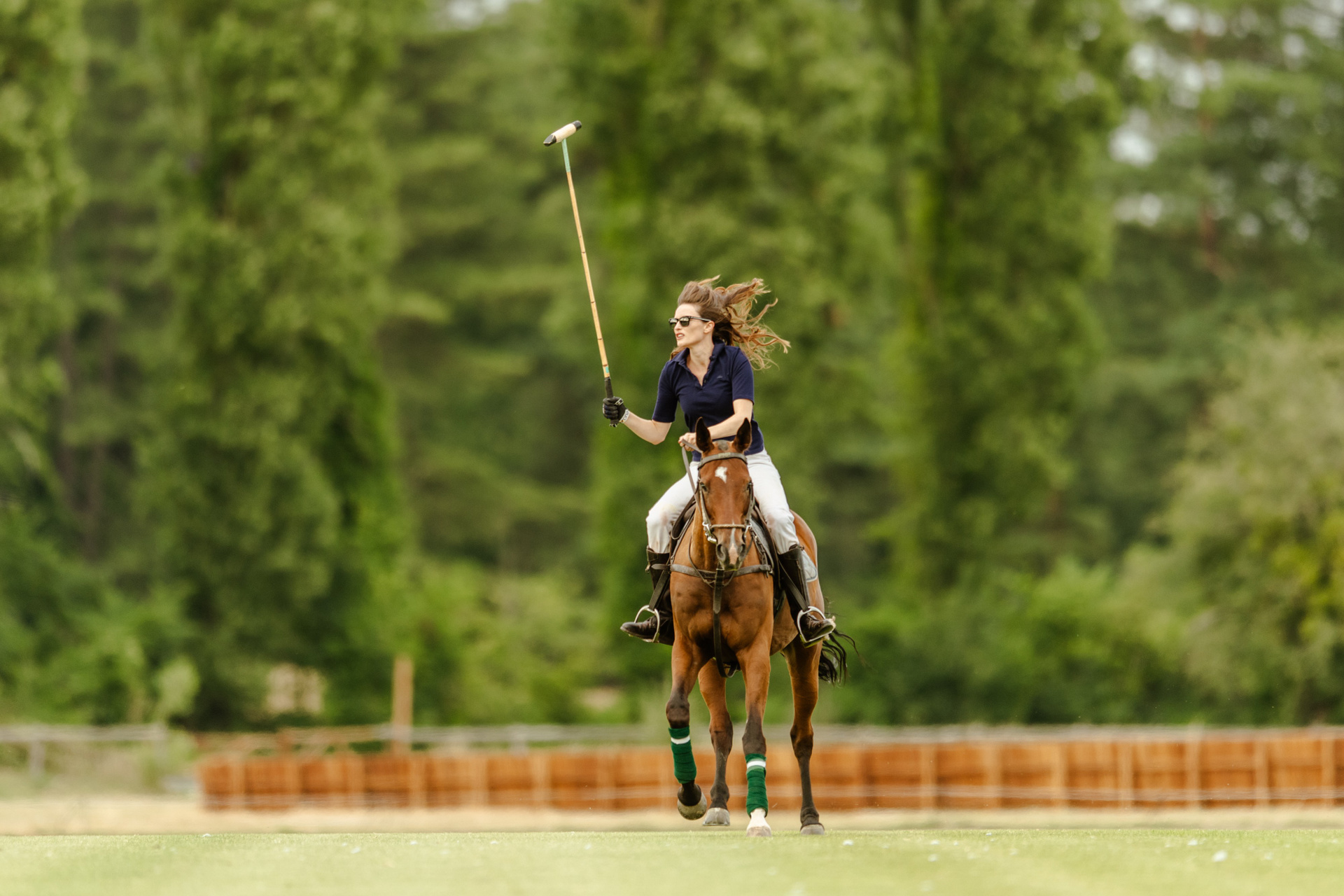
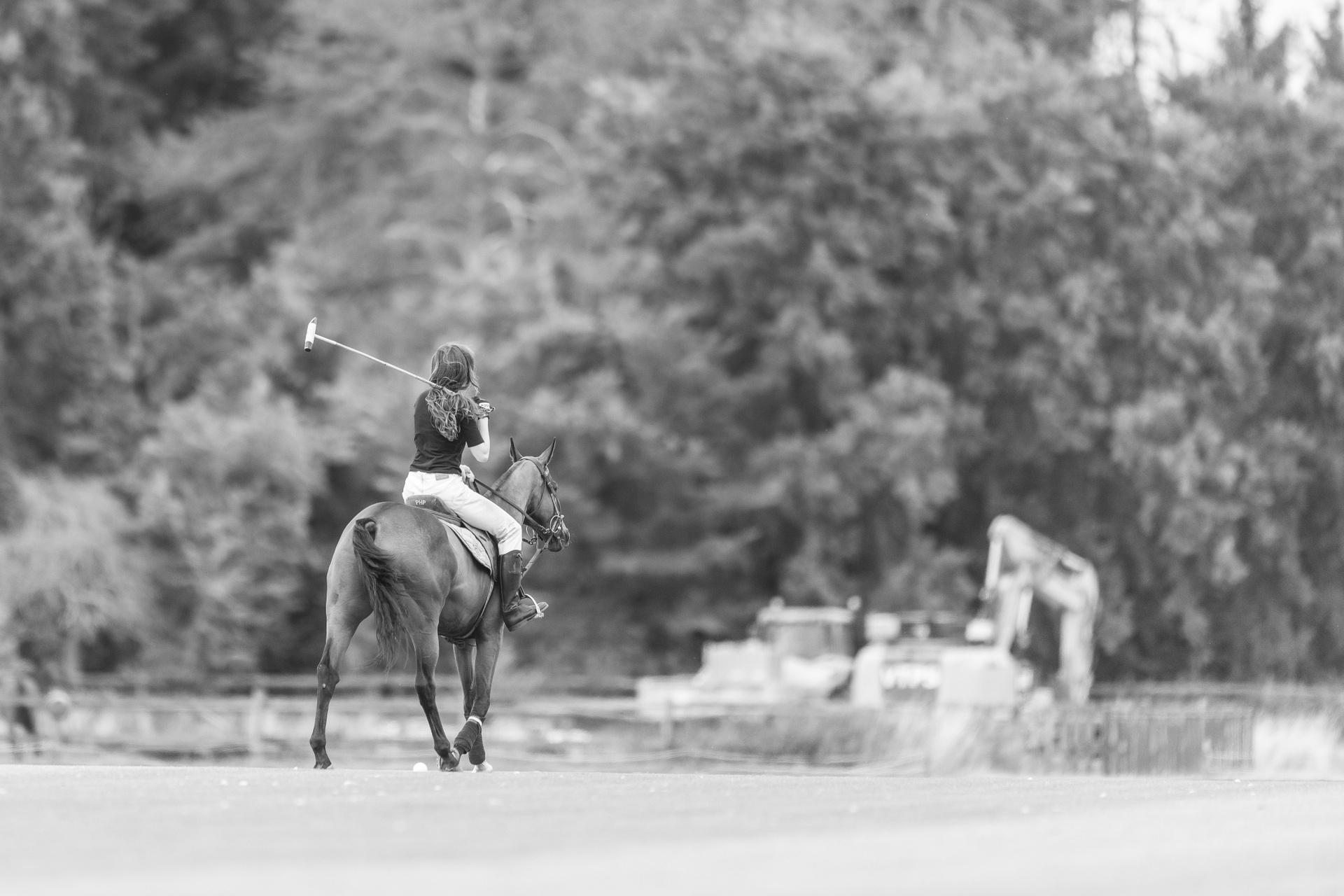
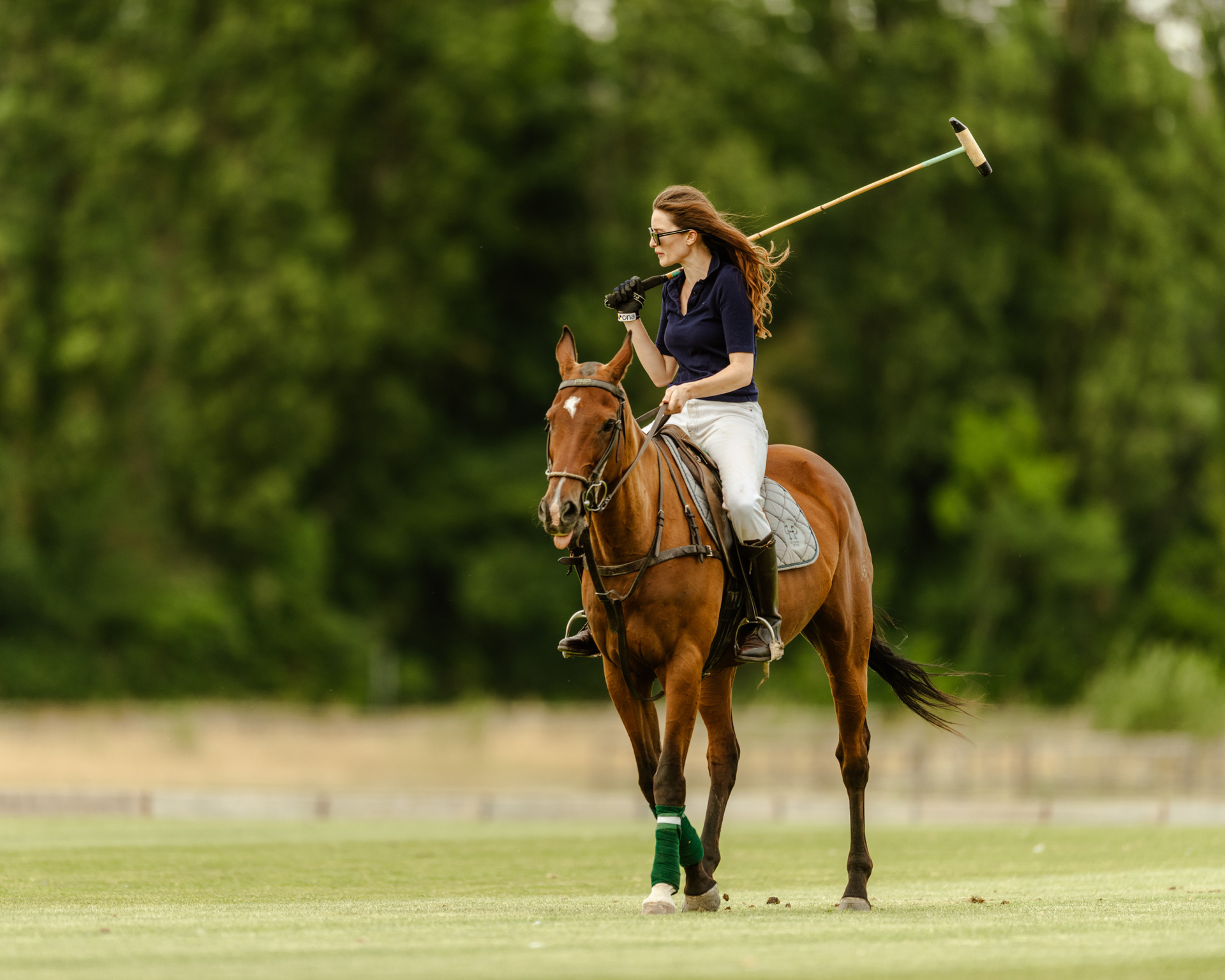
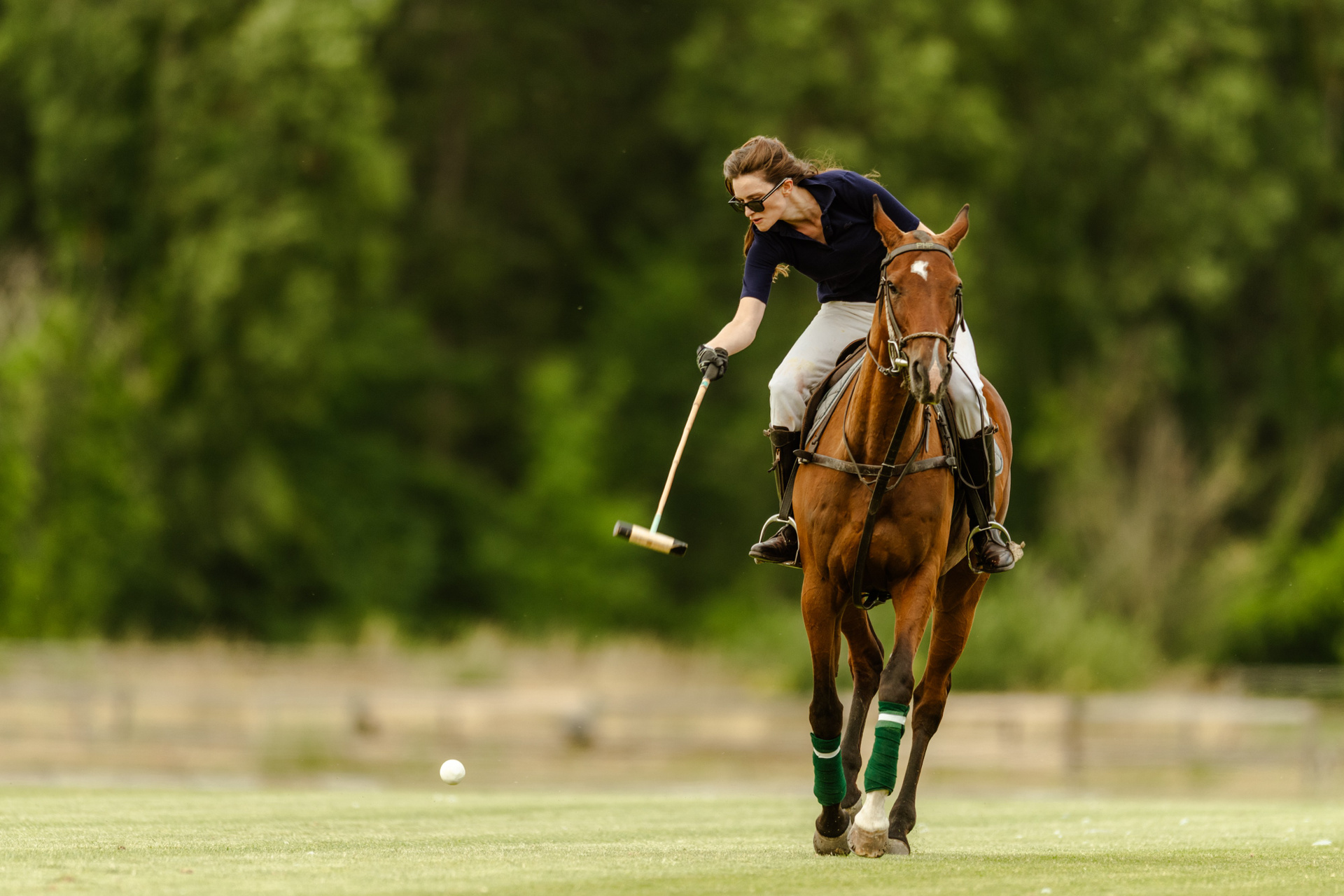
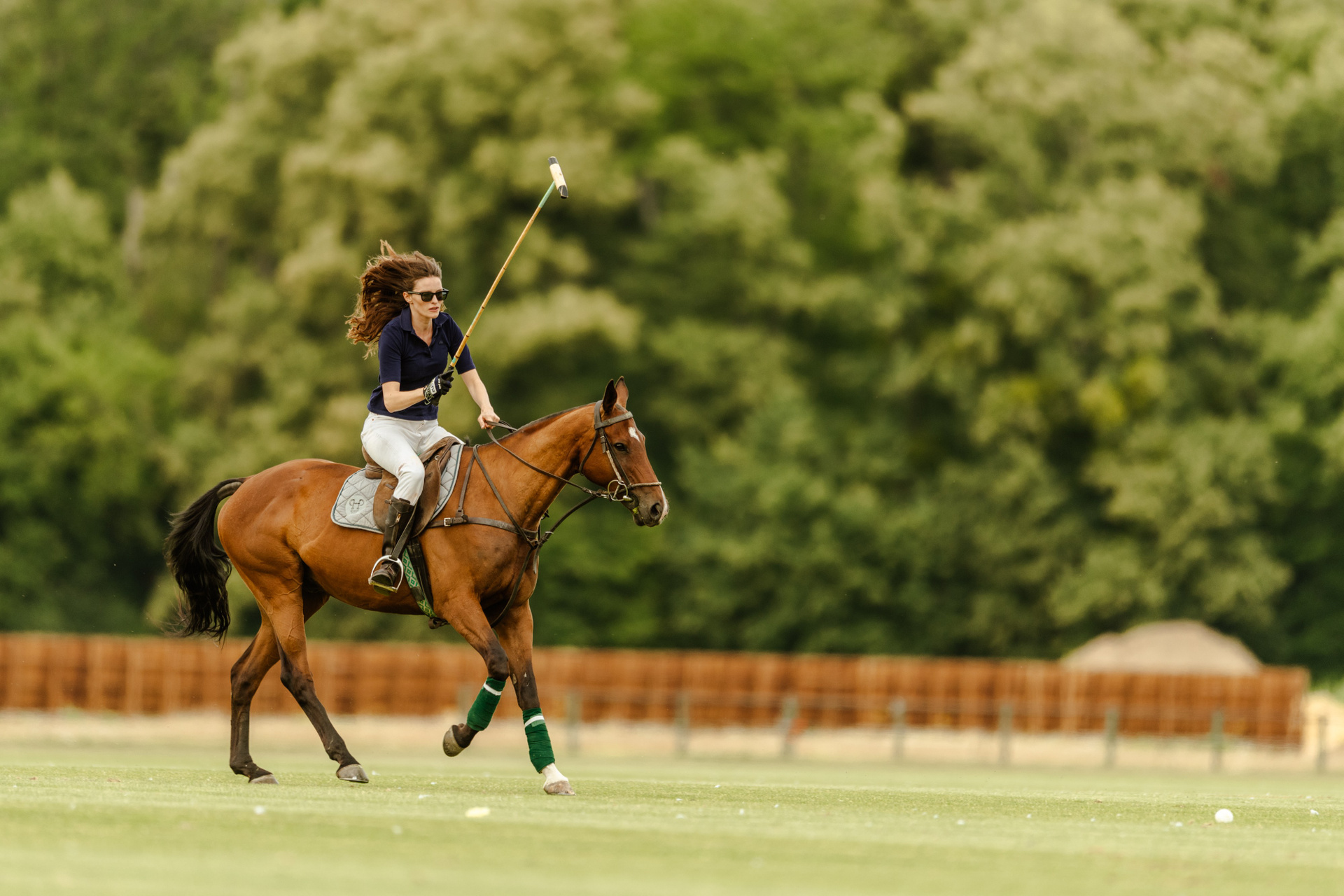
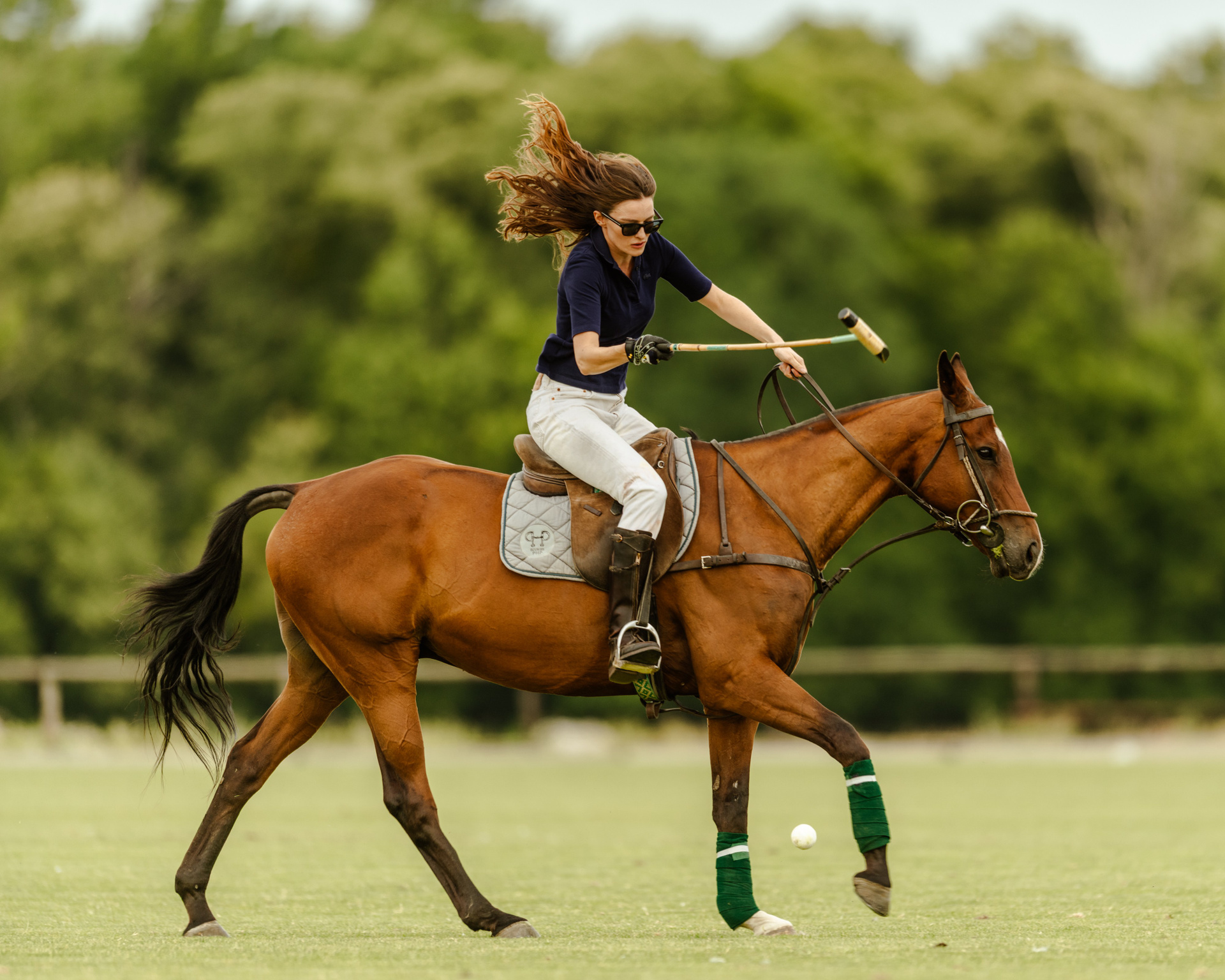
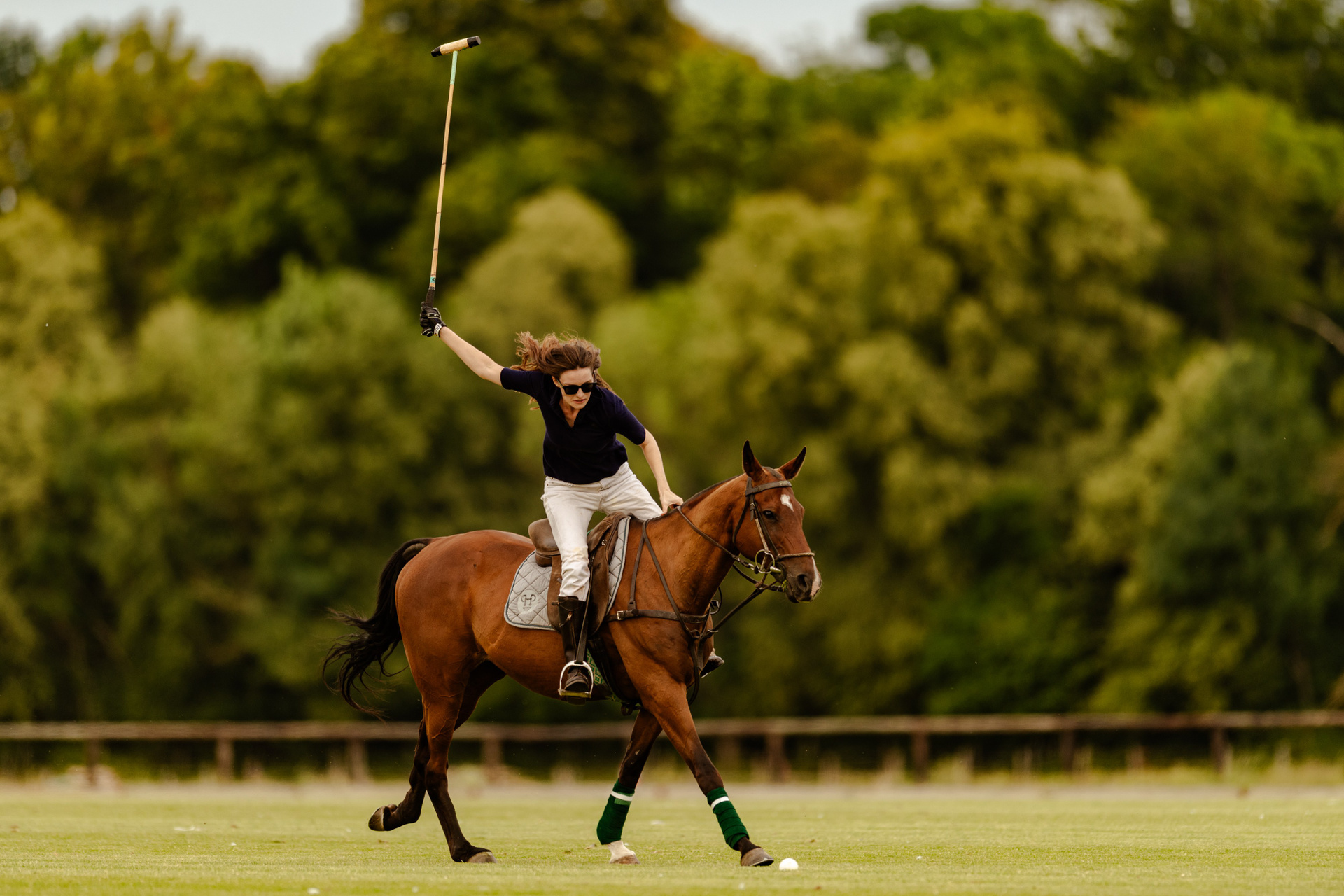
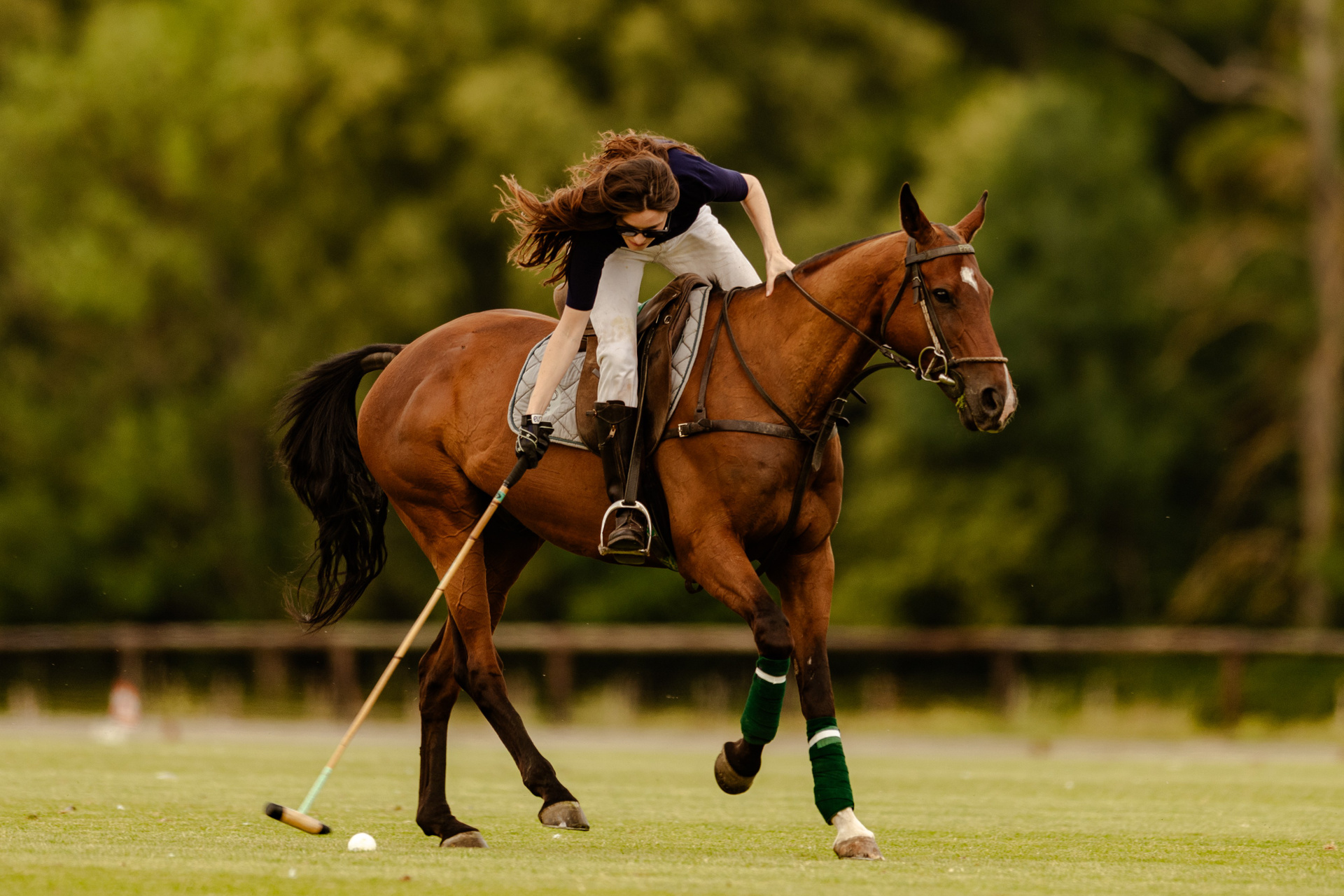
Having played polo before, she was completely at ease on horseback. What began as a quiet exploration of connection gradually transformed into movement and speed. The atmosphere shifted. The stillness of the portraits gave way to the rhythm of the game.
Rather than documenting polo itself, I was interested in capturing fragments of its spirit. The concentration before a shot. The balance between horse and rider. The split second when instinct takes over and everything becomes movement.
Marie-Jeanne’s long hair moving freely in the wind added another layer to the images. Combined with the open landscape and the elegance of the horse, it created a sense of freedom that echoed throughout the series.
These photographs became less about sport and more about character. They reveal confidence, determination, and the quiet joy that comes from feeling completely at home in motion.
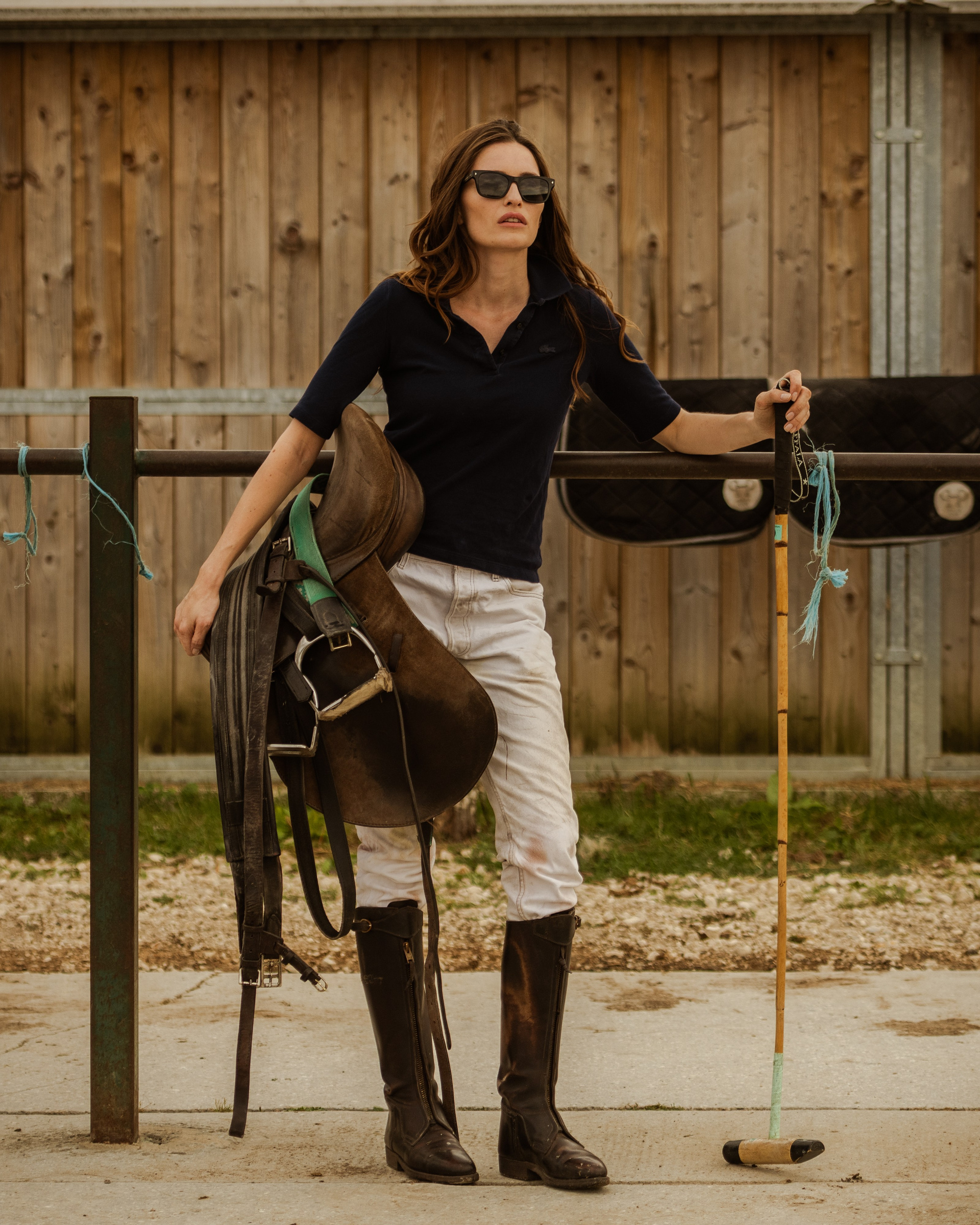
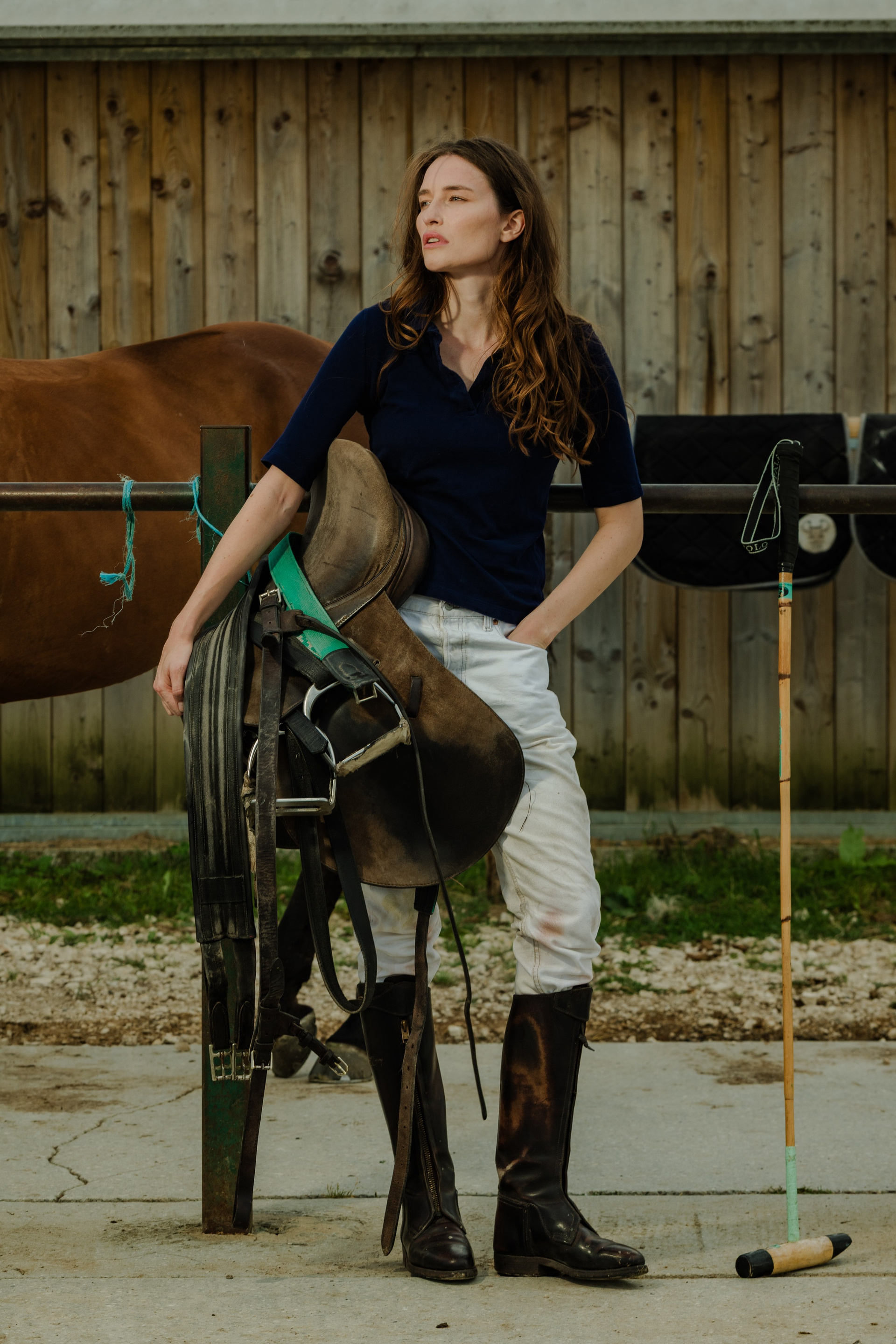
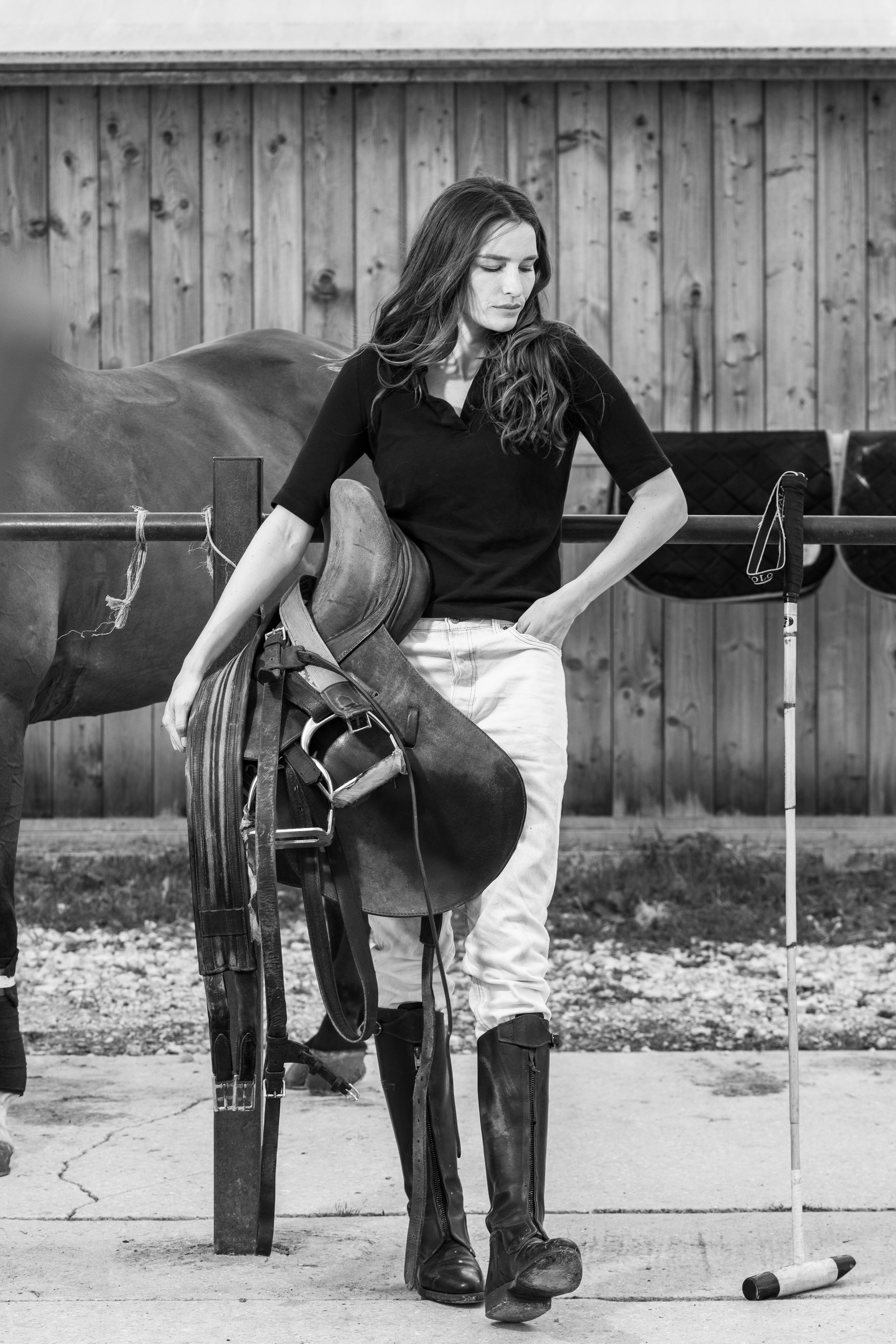
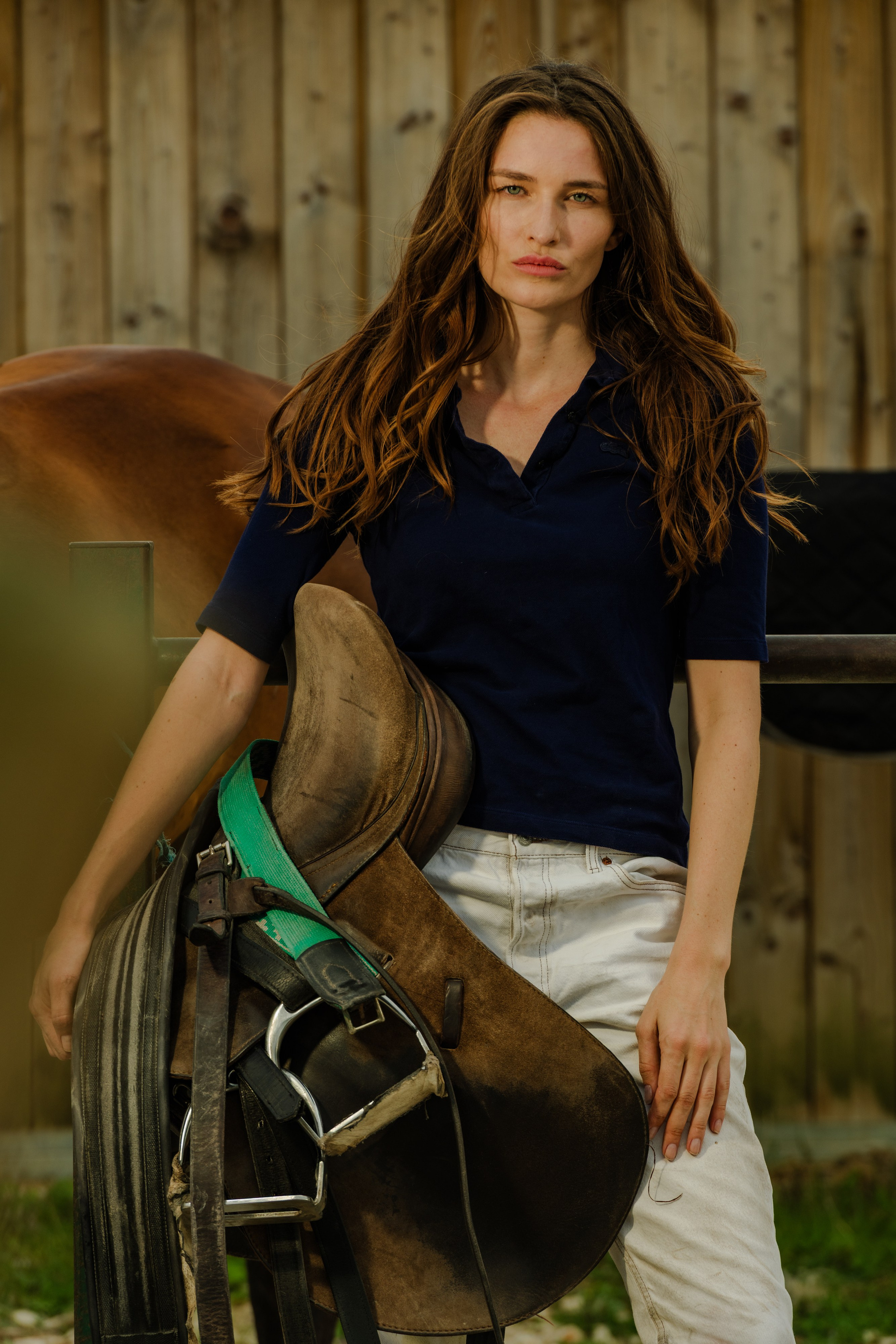
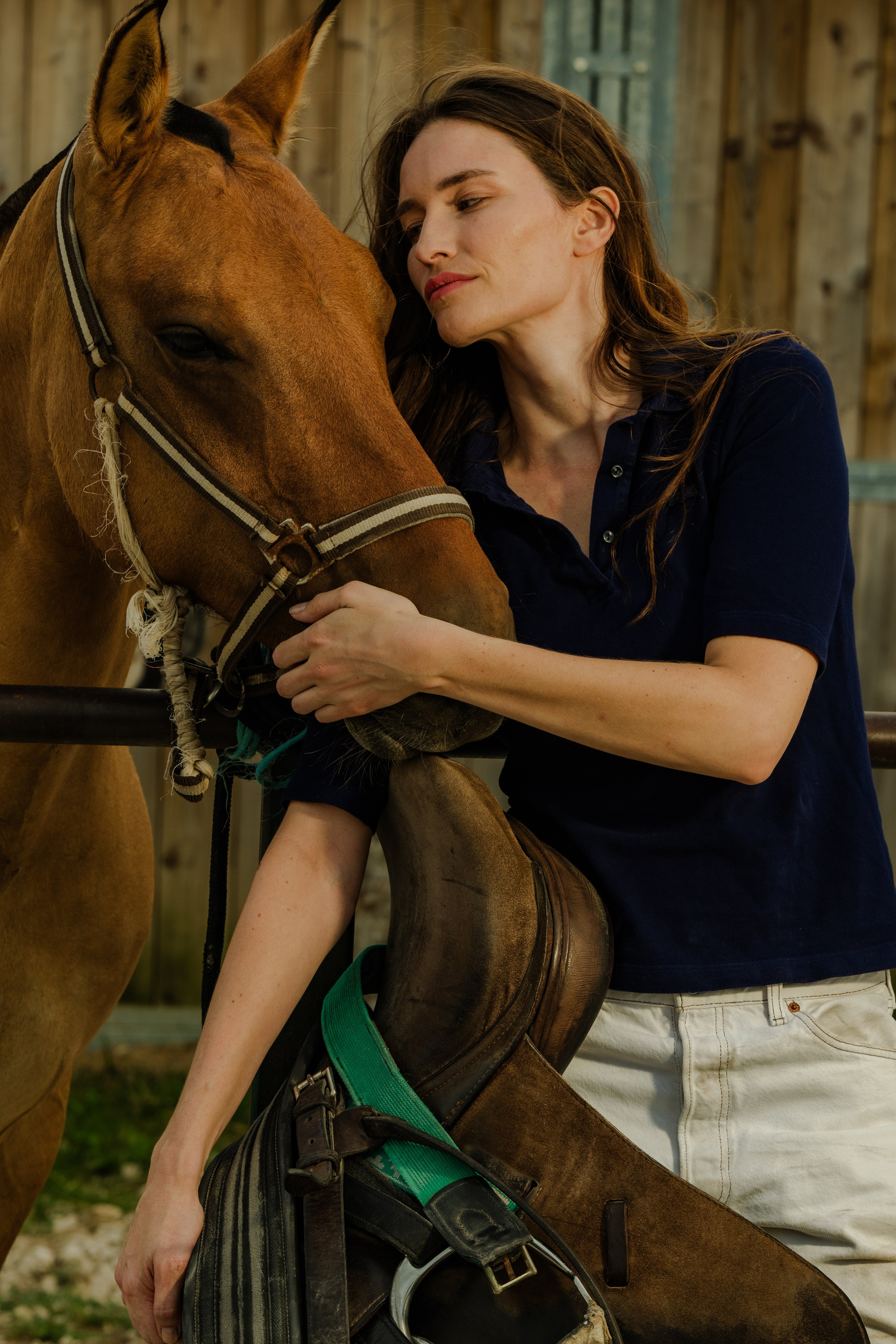
After the game, the horse was returned to the stable area, where the groom began removing the saddle and equipment. The intensity of the polo field slowly dissolved into a quieter moment.
Watching this transition, I became interested in what remains after the action is over. The horse is no longer an athlete in motion. The player is no longer focused on the next shot. What remains is a relationship built through trust, care, and shared experience.
Using the saddle as a visual element, we created a series of portraits that reflected this quieter side of polo. The saddle became more than equipment. It carried traces of the game that had just ended and served as a reminder of everything that had happened before.
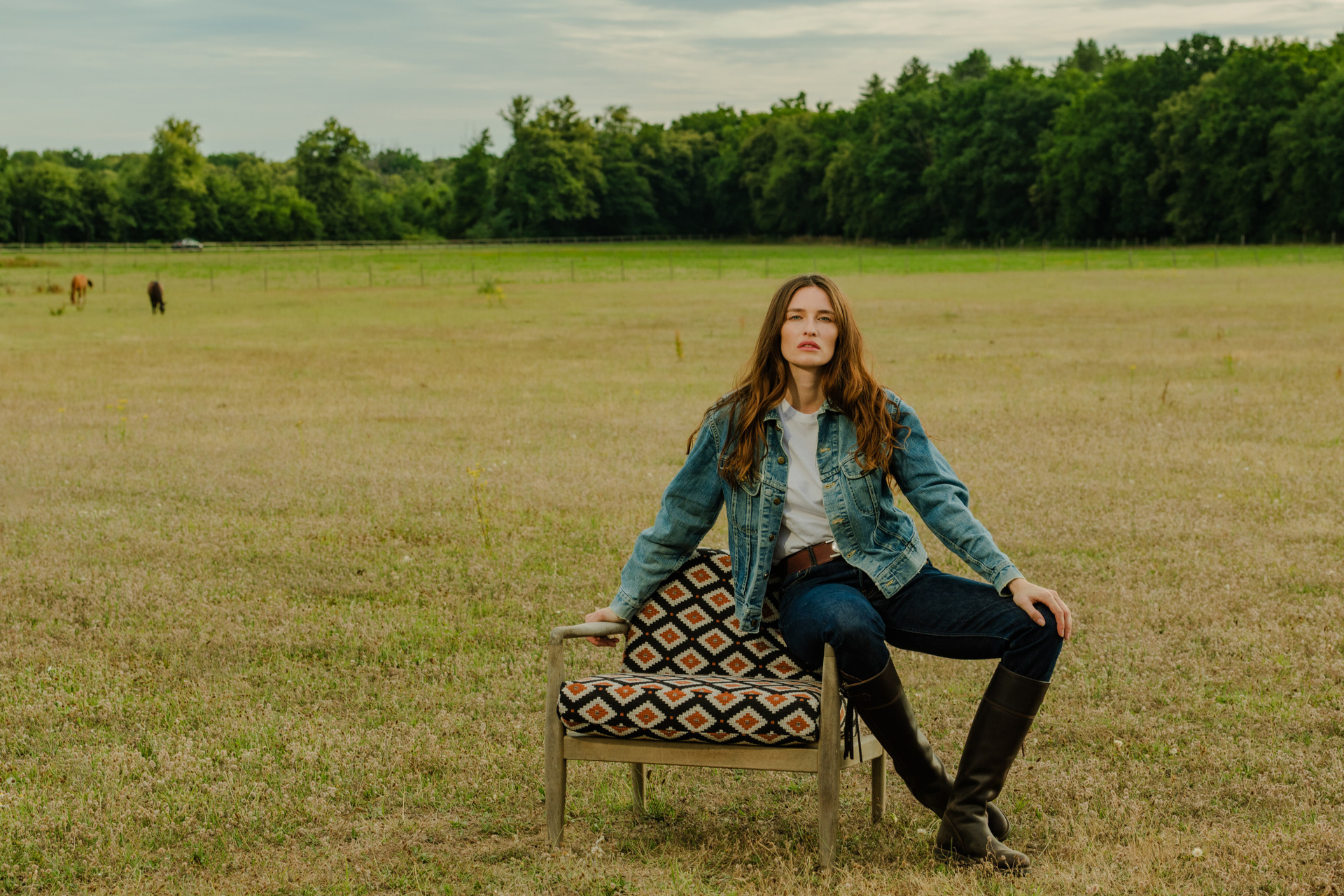
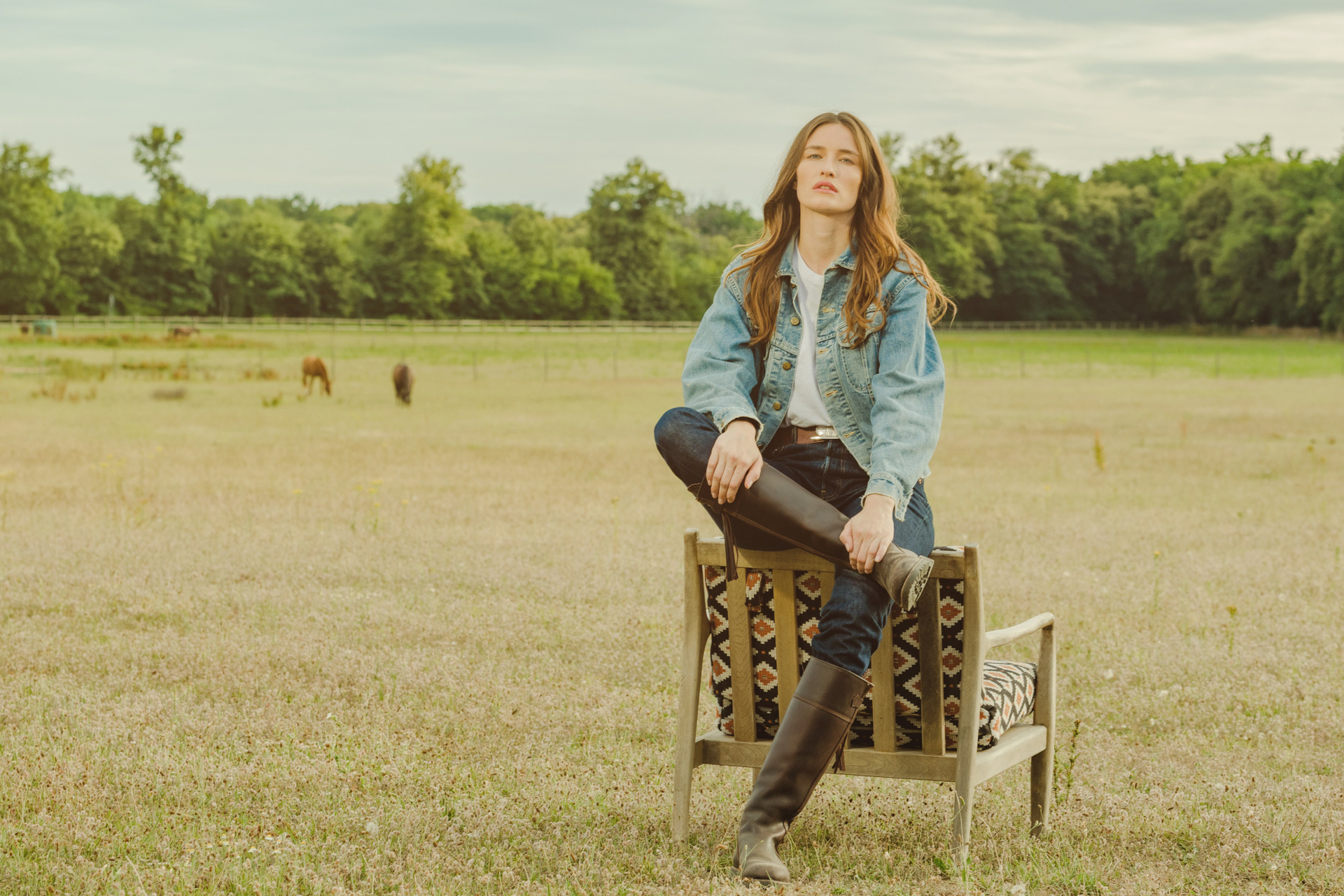
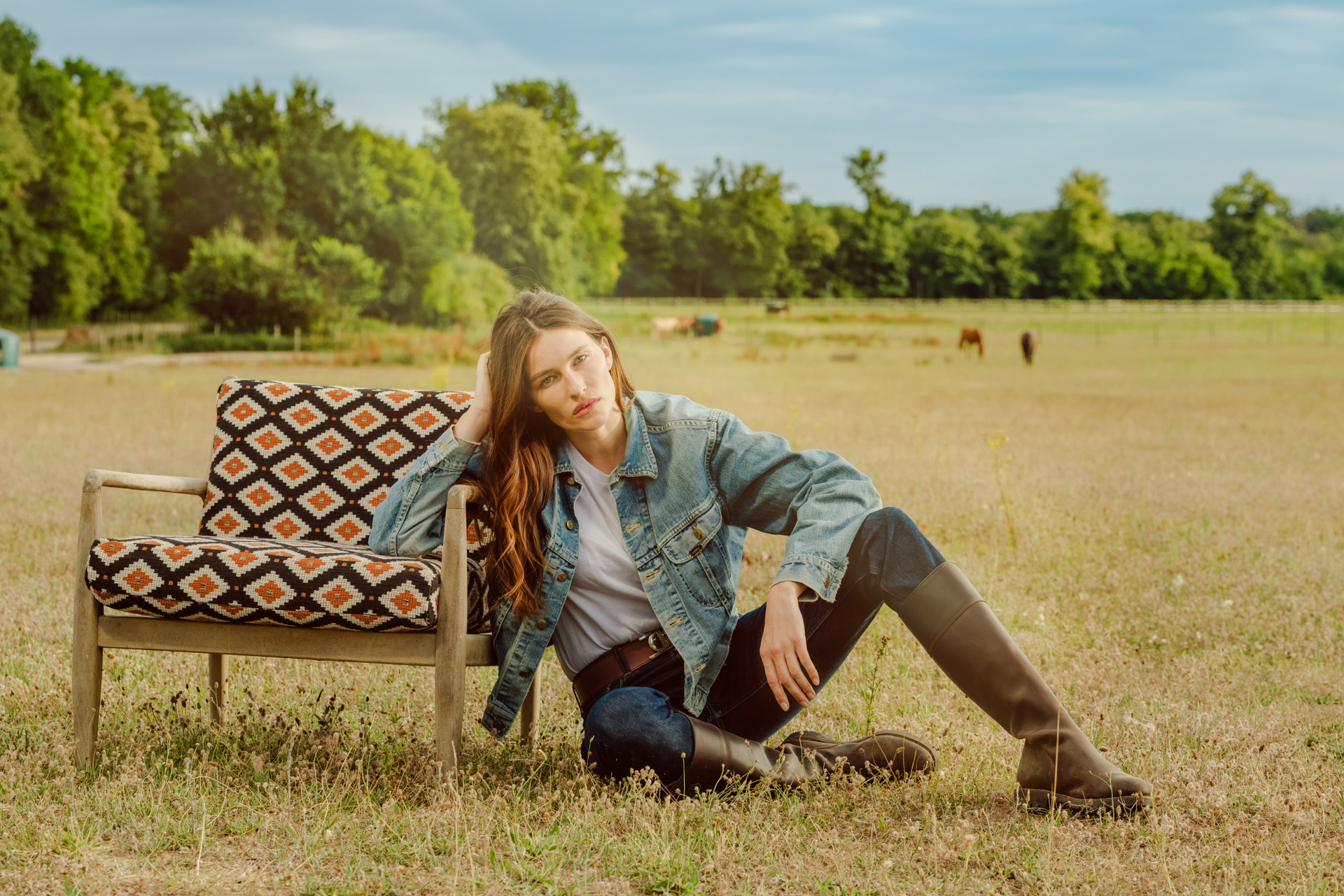
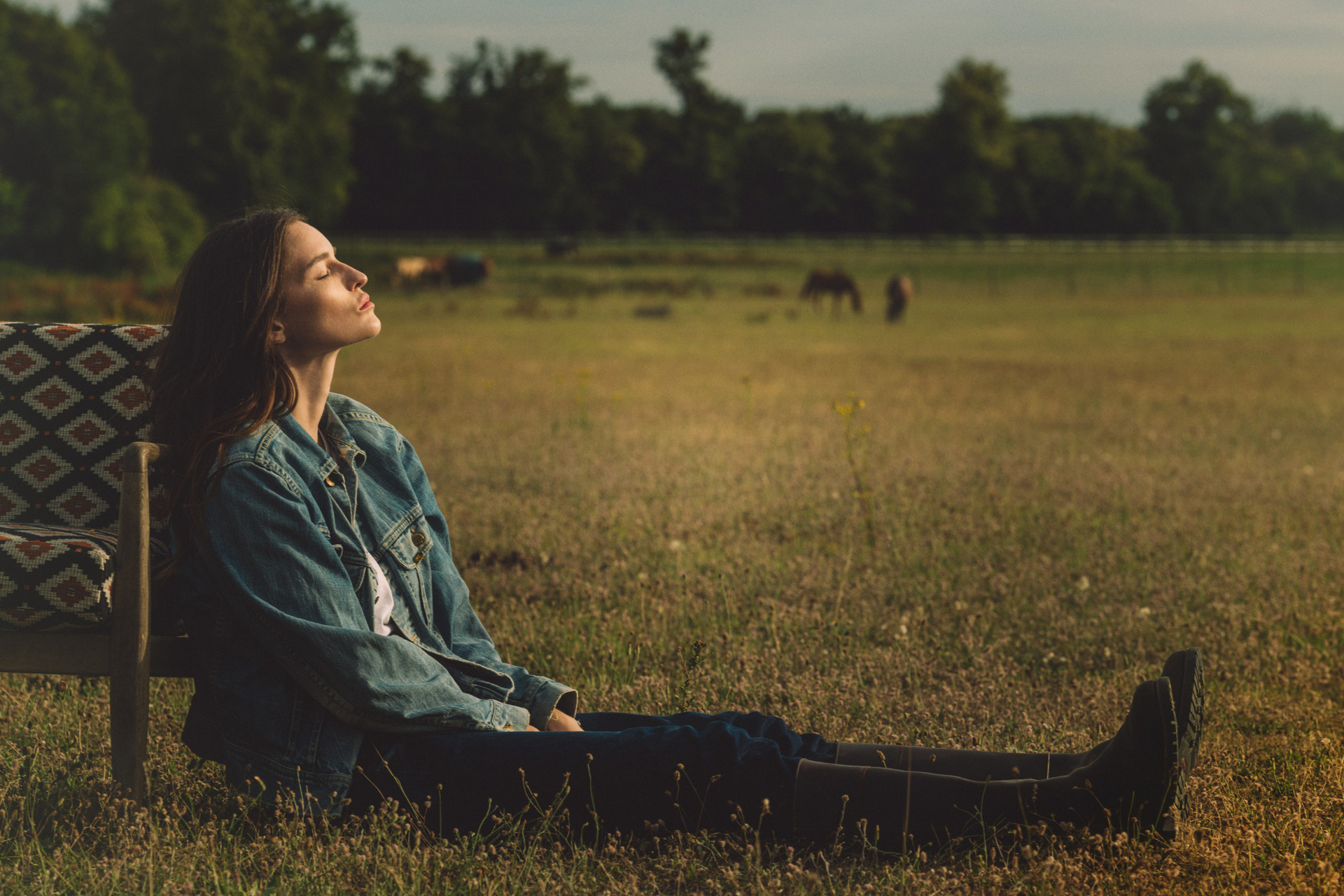
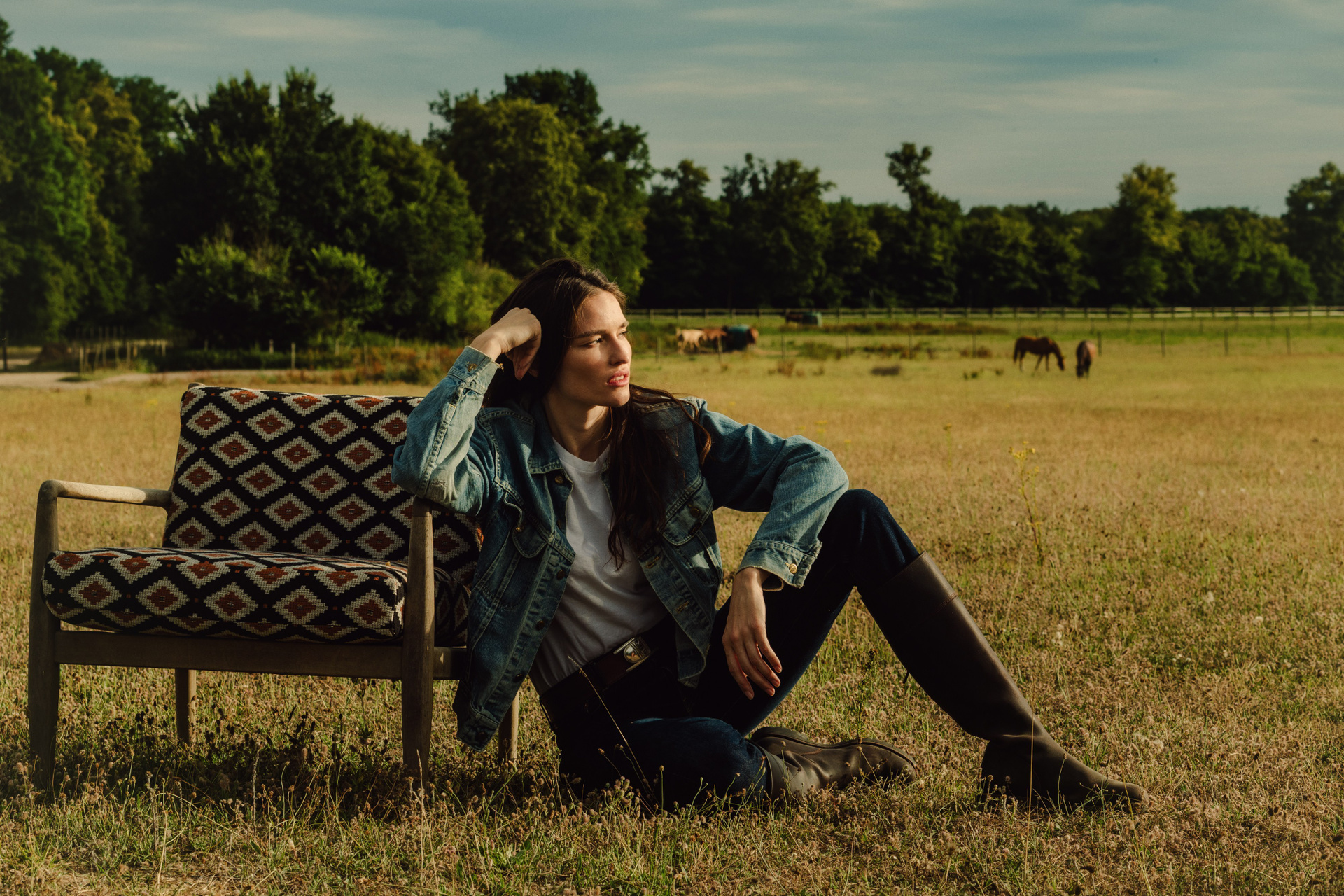
For the final chapter of the shoot, we moved to one of the paddocks in the upper part of the village, where the horses spend their evenings grazing quietly in the open fields.
By then, the pace of the day had completely changed. The energy of the polo field was behind us. The horses had returned to their routines, and the landscape seemed to settle into a slower rhythm.
As the sun began to descend, a soft evening light spread across the meadow. Surrounded by grazing horses and the vast openness of the countryside, Mary Jane became part of the landscape itself.
The armchair, placed unexpectedly in the middle of the field, introduced a subtle sense of displacement. It transformed the pasture into a temporary living room, a place for reflection rather than action.
These final photographs are not about polo, fashion, or performance. They are about presence. About the rare moment when movement stops and there is nothing left to do except inhabit the landscape and listen to its silence.
The day ends where it began: among horses, open space, and the quiet beauty of the countryside.